Isle of Man 7‑Day Adventure: Ferry, Coastal Walks, Wildlife & Heritage (2025)

Explore the Isle of Man properly with this detailed 7-day itinerary for 2025, including ferry routes, secret spots, cultural insights, and travel tips. Whether you’re arriving from Liverpool or Heysham, this guide will help you experience the island’s best.
The Isle of Man is rich of history, stunning scenery and perhaps more uniquely the TT motorcycle races. Isle of Man is known as the gem of the Irish Sea, and with good reason too. It’s been rumoured to have the cleanest beaches in Europe whilst being home to rugged, gorgeous coastlines with spectacular castles and luscious walks.
The Isle of Man has been on my bucket list for a good while now, so I finally decided to rip off the bandage and go and visit this stunning island, and lets just say I was not disappointed. For all of you dog owners, who always feel restricted on where you can go on holiday and when, Isle of Man is a brilliant place to go, as its dog friendly and there is plenty of walks.
There are many reasons Isle of Man is perfect for a getaway, when done right. So to help you get the most out of your Isle of Man trip, I have compiled all the most important insights, must- do activities and hidden gems you really shouldn’t miss, based on my experience visiting the Isle of Man. Enjoy your trip!
1. Ferry from Heysham to Douglas, Isle of Man: A Surprisingly Smooth Crossing (with a dog)
There are various ways to get to the Isle of Man, you can take the ferry from Liverpool, Heysham or fly from bigger UK cities, we decided to take the ferry from Heysham to Douglas which took around four hours. We took the car with us – something I would certainly recommend if you want to truly explore the island without too much hassle.
For those of you who are travelling from Heysham with a car, you will be glad to hear that the whole check-in process is refreshingly simple. When you arrive a carpark-like area awaits your arrival, with a little booth, drive up to the booth and show your booking confirmation. After that you will join the other cars in a line. There are no airport-style queues or stress, making it perfect for those of you who find travelling stressful and complicated.
The line to get onto the Ferry is quick, after only a 30-minute wait, we were boarding the ferry, having had plenty of time to snap a few classic ferry photos. Travelling with a dog in tow, we’d pre-booked a spot in one of the pet lounges – though we weren’t entirely sure what to expect. Would it be packed with other pooches? Would our dog (Ozzie) settle? As it turns out, we needn’t have worried. We were the only ones in the lounge! The dog lounge is located on the main passenger deck, so we had easy access to all the usual onboard facilities like cafés, toilets and a small shop. It made popping out for a coffee (or sneaky pastry) nice and easy. So if you are travelling with a dog we couldn’t recommend the pet lounge enough.
The crossing itself was calm, though, full disclosure, it did get a little bumpy now and then. Nothing dramatic, just enough to keep things interesting (and to watch some entertaining wobbly walks from our fellow passengers!). When we arrived in Douglas, it was a scenic 30-minute drive to our holiday cottage just outside Port Erin. Where we inevitably flopped.
2. Port Erin: Clifftop Walks, Tower Views & Golden Hour Magic
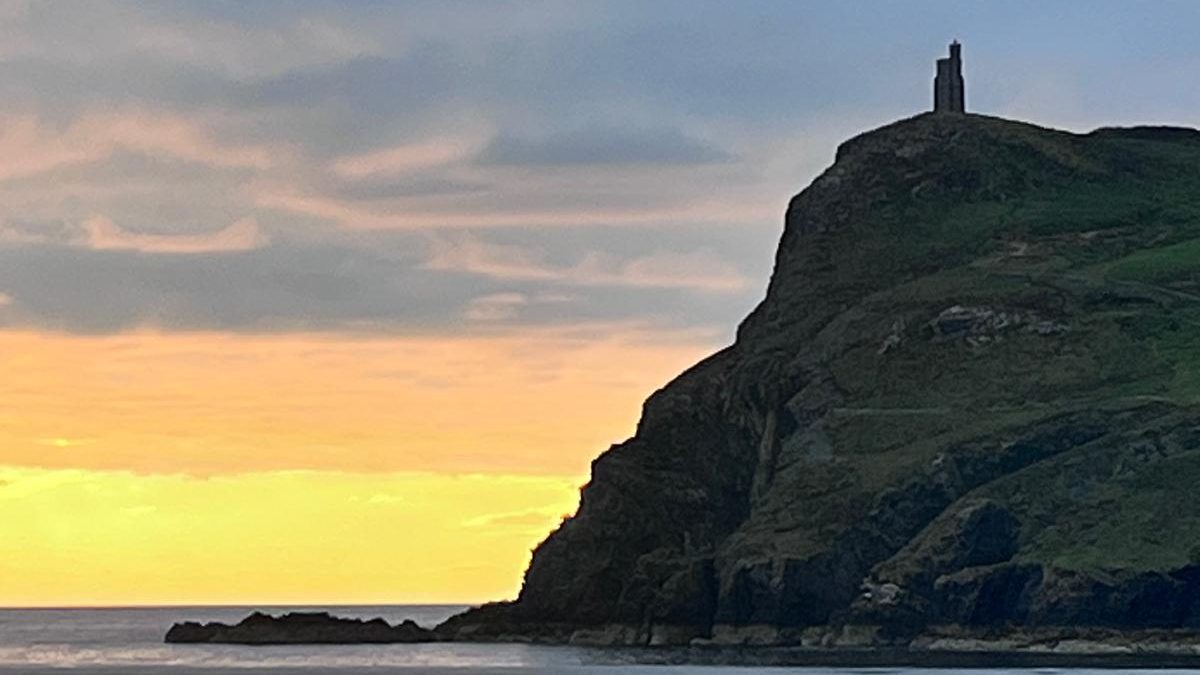
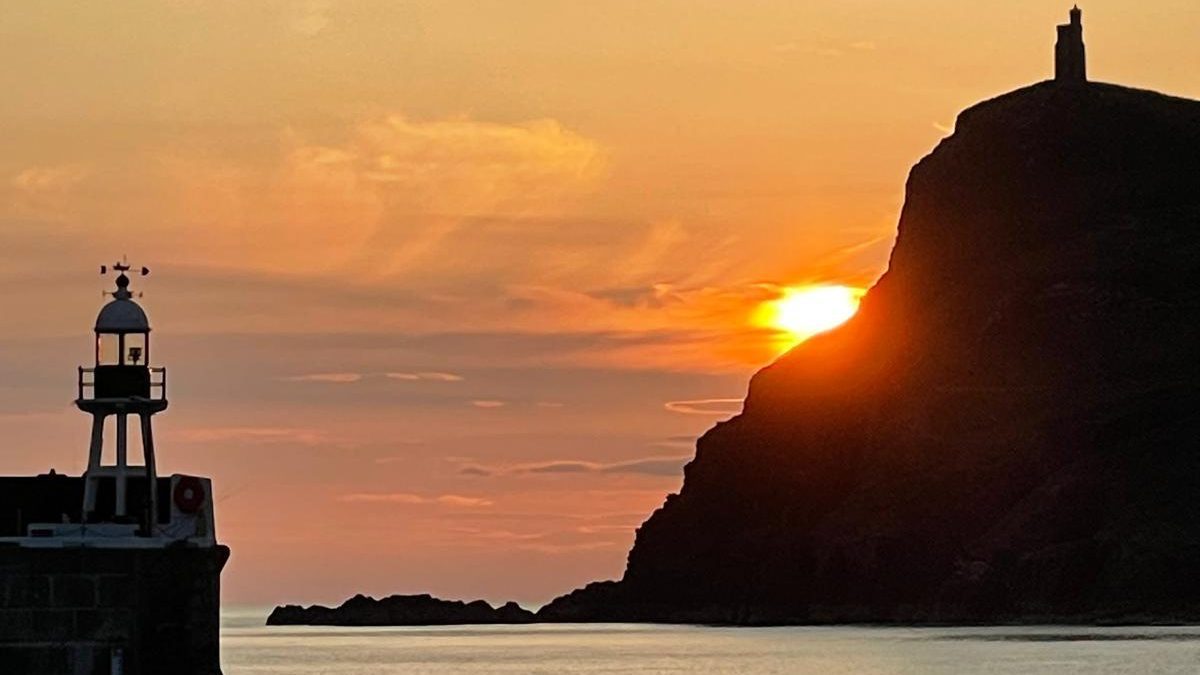
On the island’s southwest coast, Port Erin is a peaceful little village home to a few shops and a picturesque harbour. One of the standout features of the village is the striking tower perched high on a neighbouring hill. From the village, there is a route that winds gently uphill through Bradda Glen before emerging onto Bradda Head. lthough it looks fairly steep from below, the walk was surprisingly manageable (we took the easier of the two paths – no regrets!).
The headland itself was once home to copper and lead mining for over 200 years, though little evidence of that industry remains today. Milner’s Tower was built in 1871 in honour of William Milner, a Liverpool safe maker turned generous local benefactor. It now serves as a brilliant viewpoint and photo stop. If you’re feeling adventurous, you can carry on from the tower along the coastal path to secluded Fleshwick Bay.
3. Port St Mary: Coastal Walks, Industrial History & Weekend Gelato
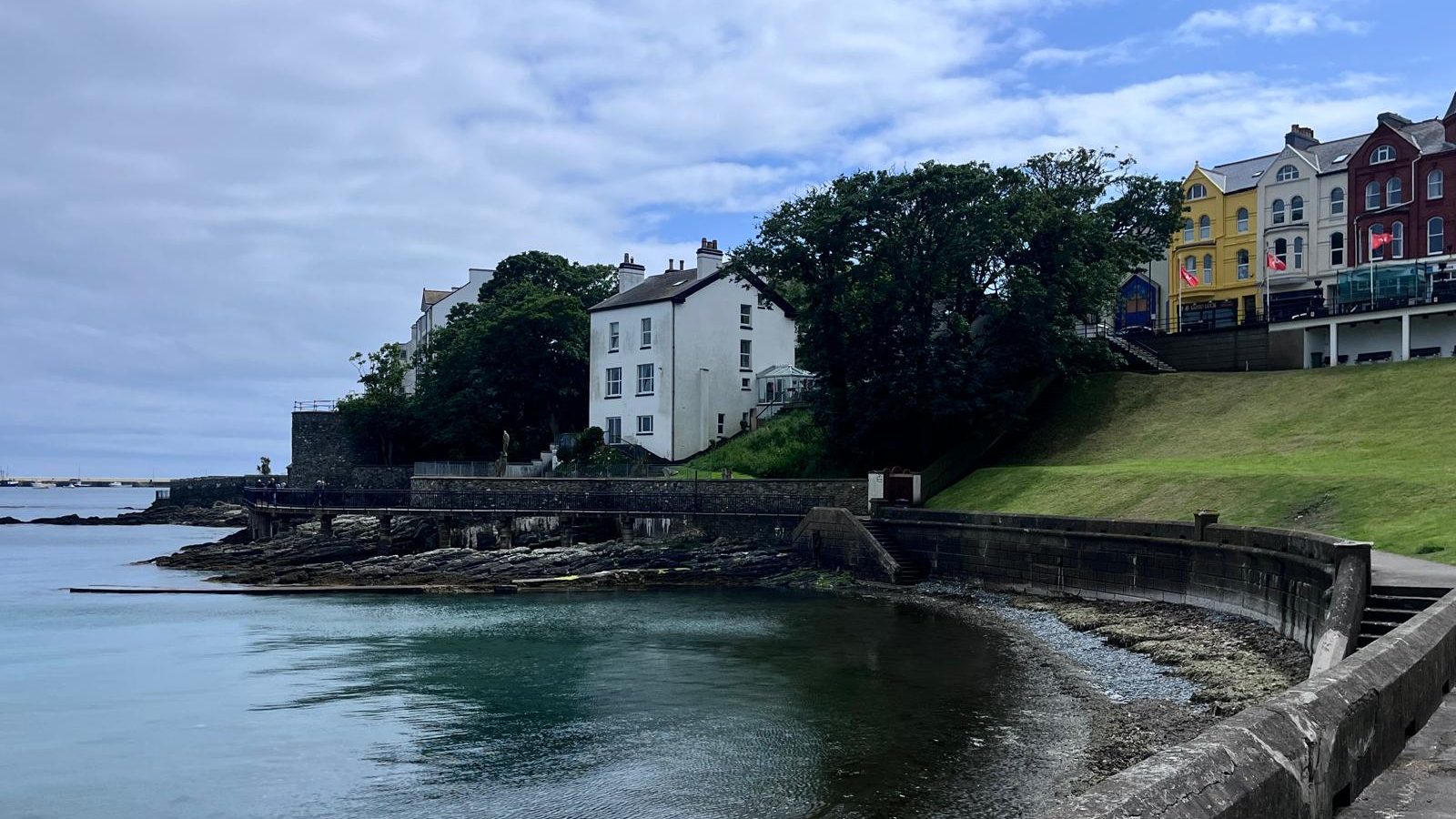
Just a few minutes’ drive from Port Erin, the charming village of Port St Mary is a lovely spot to spend a slow afternoon by the sea. Heading east from the village centre, the coastal trail hugs the shoreline and leads to a scattering of rocky little beaches; however, stepping down to them did seem a bit tricky. Heading west, the walk meanders along the waterfront toward the harbour. Keep going and you’ll reach the site of an old limestone kiln, a quiet reminder of the island’s early industrial past.
Limestone is the natural bedrock in this part of the island, and it was once burned here to produce calcium oxide, which, when mixed with water, became a key ingredient for plaster and mortar. It’s a fascinating window into how even small villages once contributed to industry. Perched just above the kiln site you will find a simple memorial dedicated to the Isle of Man residents who lost their lives at Dunkirk, a quiet and moving spot to pause and reflect.
4. The Point of Ayre: Lighthouses, Seals & the Echoes of the TT
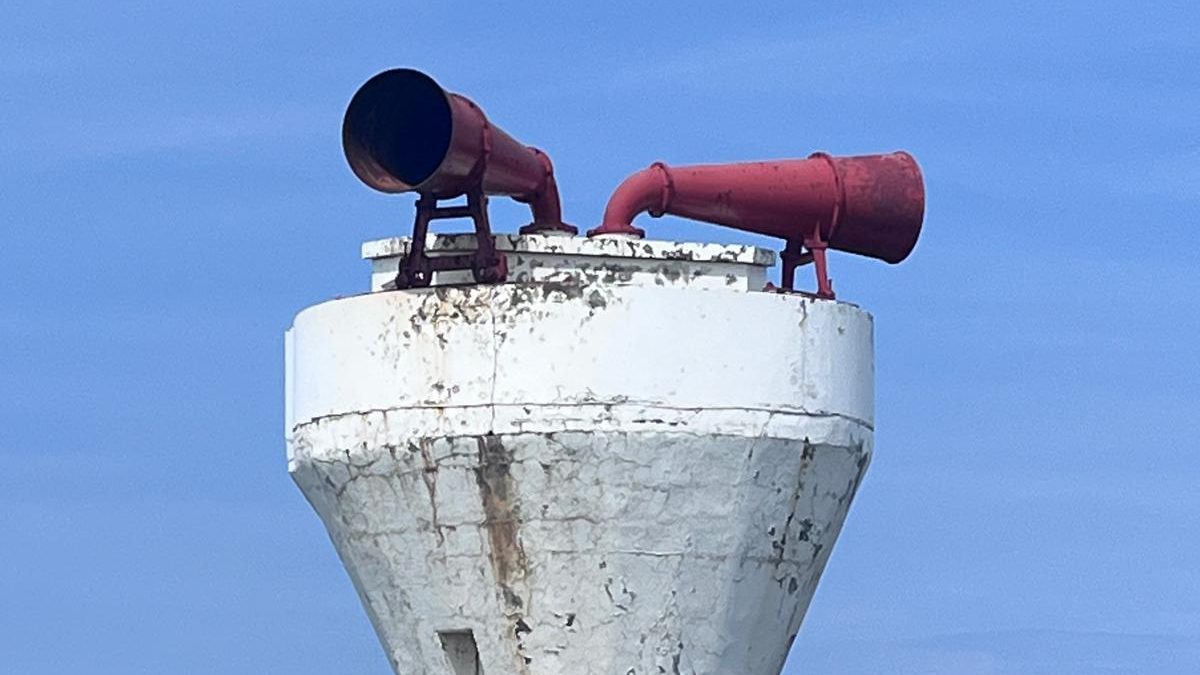
At the very northern tip of the Isle of Man lies the Point of Ayre, a wild, wind-swept stretch of coastline that feels beautifully remote. The drive up from Port Erin took us right through the centre of the island, tracing sections of the iconic TT course. The race had only wrapped up the week before, and reminders were everywhere with signposts detailing the next section of track and rows of safety crash mats lining sharper bends. The route was as expected a mix of straight roads and curves through open countryside and wooded areas. Stunning.
At the Point of Ayre, we parked by the roadside and followed the short path to the shore. Unusually not one, but two lighthouses stand here alongside a powerful foghorn, which, when the wind and weather align, can apparently be heard up to 26 miles away. The main lighthouse has stood here since 1819. Its smaller companion, added some 70 years later, is affectionately known as The Winkie.
A long, windswept pebble beach stretches out in both directions. Part of it was roped off during our visit, protecting the nesting grounds of Arctic Terns, Ringed Plovers, and Oystercatchers, a reminder that this rugged spot is not just scenic but ecologically important.
As we wandered further down the beach, we were thrilled to spot a colony of seals bobbing just offshore. Too distant for a decent photo, but close enough to watch them watching us – curious, calm, and completely unbothered by our presence. It was one of those quiet magical moments you never forget.
5. Ramsey: Coastal Walks, Viking Kings & Manx Heritage
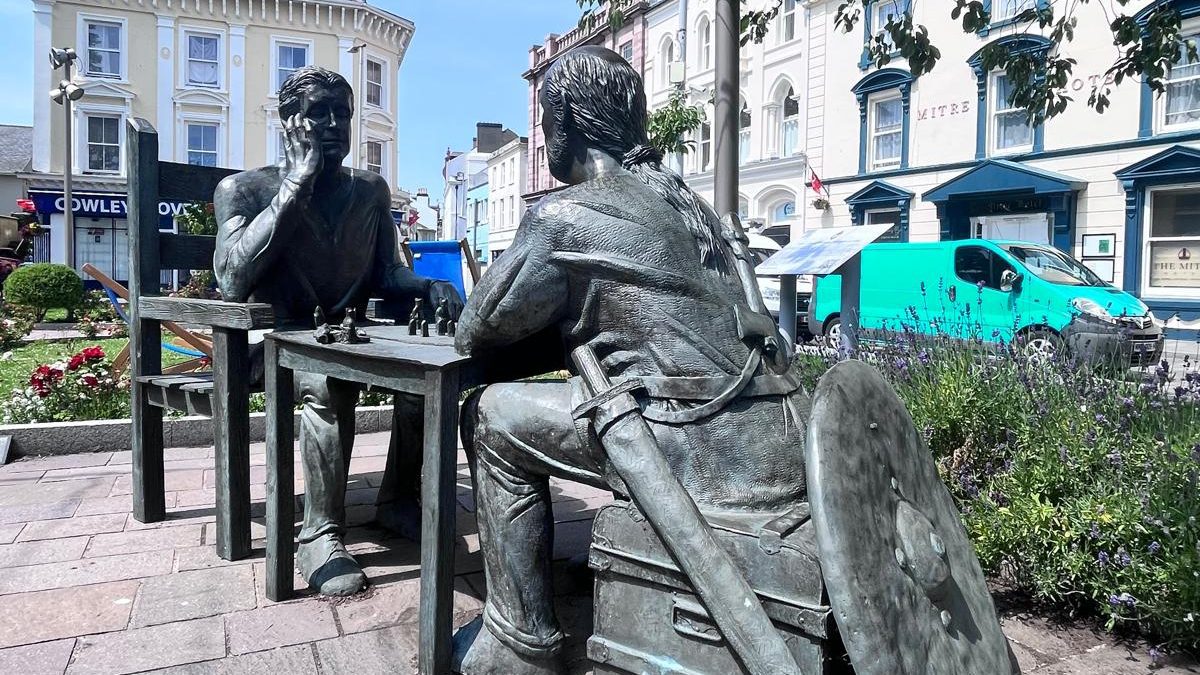
Just 15 minutes’ drive from the windswept Point of Ayre, Ramsey is the second-largest town on the Isle of Man and was once a key landing spot for Viking and Scottish invasions.
Ramsey is home to the northern terminus of the Manx Electric Railway, a tram journey that’s a favourite with visitors. From here, you can ride south toward Laxey to visit the famous Laxey Wheel, or continue to Snaefell, the island’s highest peak. The tram trip is slow and scenic letting you soak in some of the island’s best countryside views.
For motorsport fans, Ramsey holds special significance as the starting point of the Snaefell Mountain Course, part of the legendary TT race. The Ramsey Hairpin is a well-known viewing spot during race week so if you are visiting during the TT event, expect crowds, excitement, and plenty of camera action.
A swing bridge spans the estuary, and there’s a well-kept park complete with a boating lake and children’s play areas. Frustratingly for those of us travelling with four-legged friends, dogs aren’t allowed anywhere in the park.
If you love a status (which I certainly do) “When I Grow Up”, sits outside the RNLI shop and depicts a child dressed as a lifeguard, wholesome, heartwarming, and perfectly placed. In the main square, you’ll find a more imposing sculpture: two men locked in a quiet game of chess. But these aren’t just any men, they’re actually Norse kings. The statue honours Godred Crovan and his son King Olaf, Viking rulers of Mann and the Isles. It’s beautifully done and adds a nice layer of myth and history to a casual wander around town.
6. Peel: Castle Views, Shell Beaches & Fresh Crab Baps
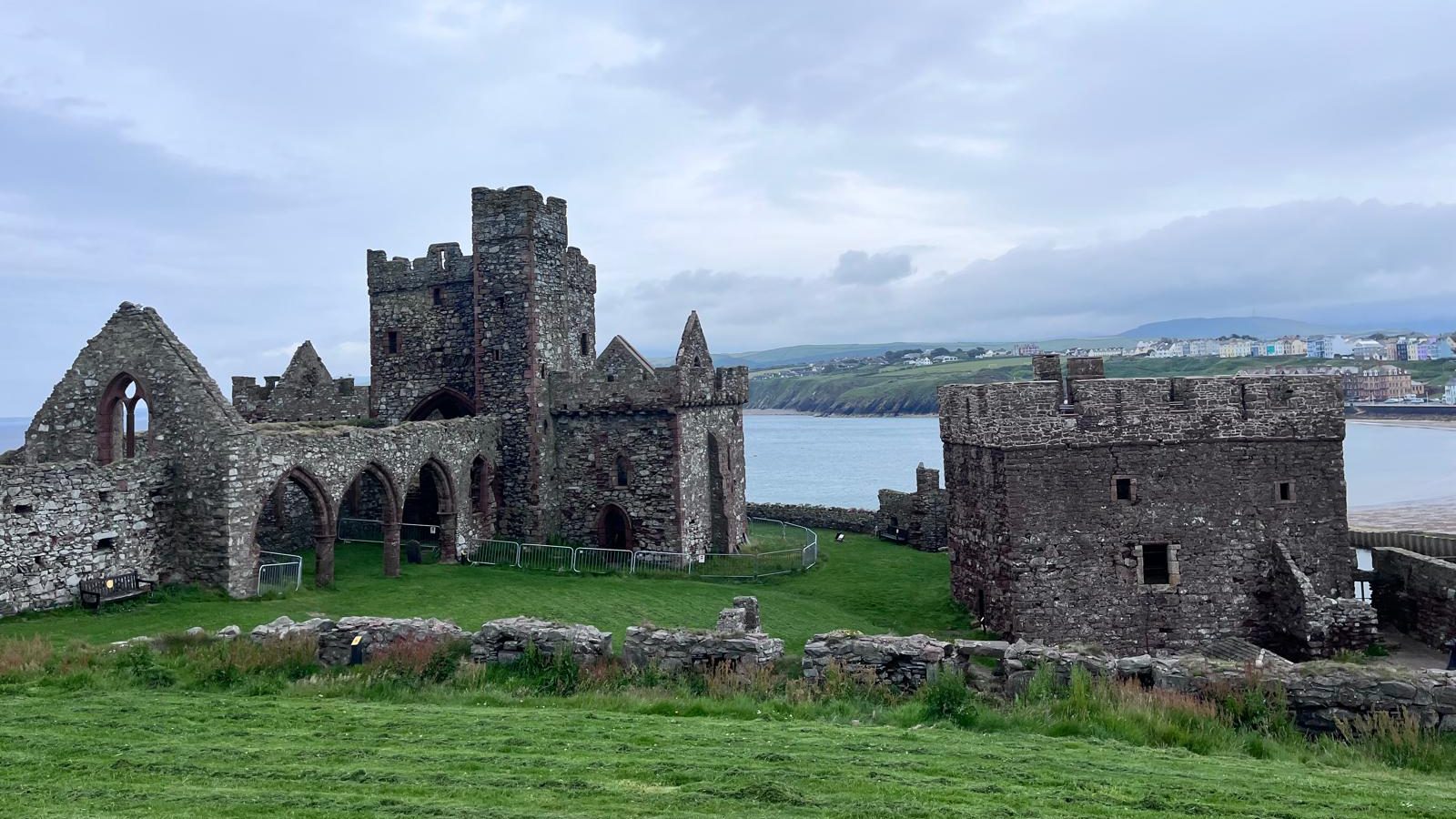
Peel, on the island’s west coast, is home to one of the Isle of Man’s two castles sitting proudly beside the harbour and flanked by two beaches. The main beach is a long stretch of golden sand, ideal for sunseekers and swimmers, though, as is common across the island, it comes with dog restrictions during the summer season. But on the other side of the harbour lies a much smaller beach that quickly became a hidden highlight of our visit. It was scattered with thousands of beautiful, mostly intact seashells, a total dream for the shell collector in our group, and happily, it was also dog friendly. Win-win.
You don’t need to go inside the castle here to enjoy it. A well-kept coastal path loops around the perimeter, offering panoramic views of the sea and surrounding cliffs, perfect for photos and breezy strolls. If you do fancy heading in, entry is £12.50 for adults (but free for National Trust or Manx Heritage card holders). While my history-loving travel buddy wandered off with the free audio guide, I spent my time snapping shots from every angle, and generally just enjoying the atmosphere of it all.
Right by the castle, there’s a small quayside café offering classic lunch staples, plus something a bit more local, fresh crab and prawn baps! These baps were calling my name, and they didn’t disappoint: simple, fresh, and served with a view.
One note to keep in mind: like several towns we visited on the island, a number of shops and cafés were closed, even in what you’d expect to be peak season.
7. Glen Myre: Waterfalls, Wooden Bridges & a Secret Cove
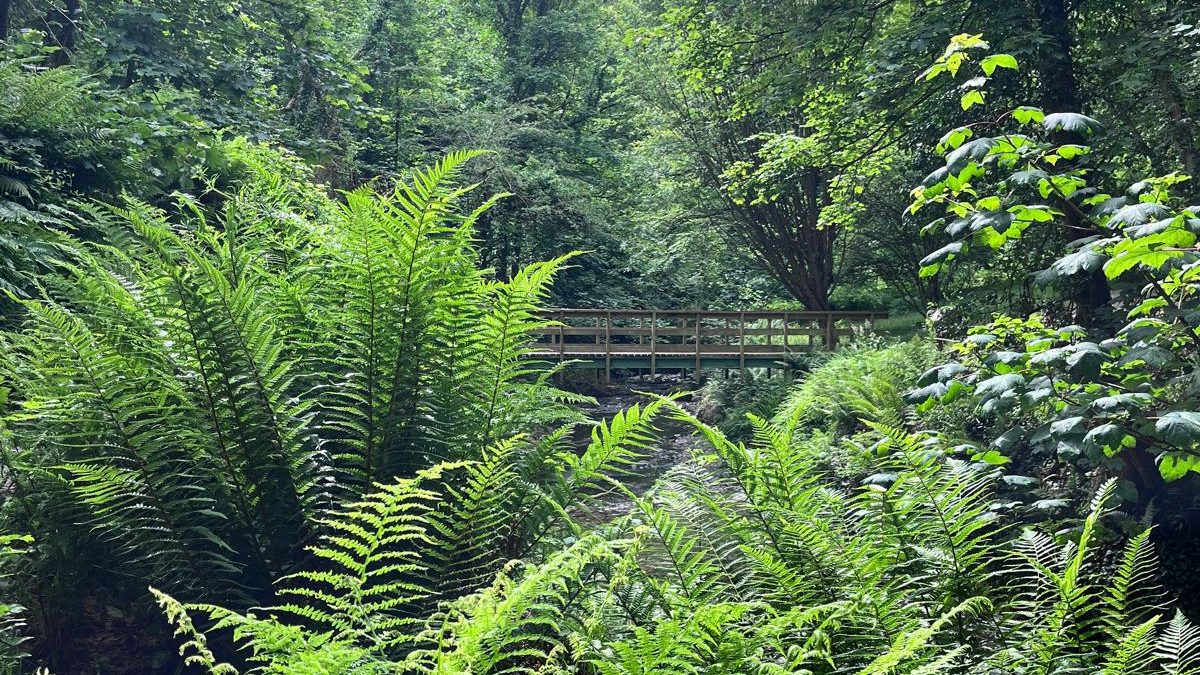
Just three miles from Peel lies one of the Isle of Man’s most enchanting natural escapes: Glen Myre part of the island’s Manx National Glen network.
If you’re anywhere nearby, this place is an absolute must. Lush greenery, tumbling waterfalls, and a trail beautifully maintained with wooden bridges crisscrossing the stream at regular intervals, each one framing a different picture-perfect moment. It’s a place made for photographers, slow walkers, and anyone in need of quiet time.
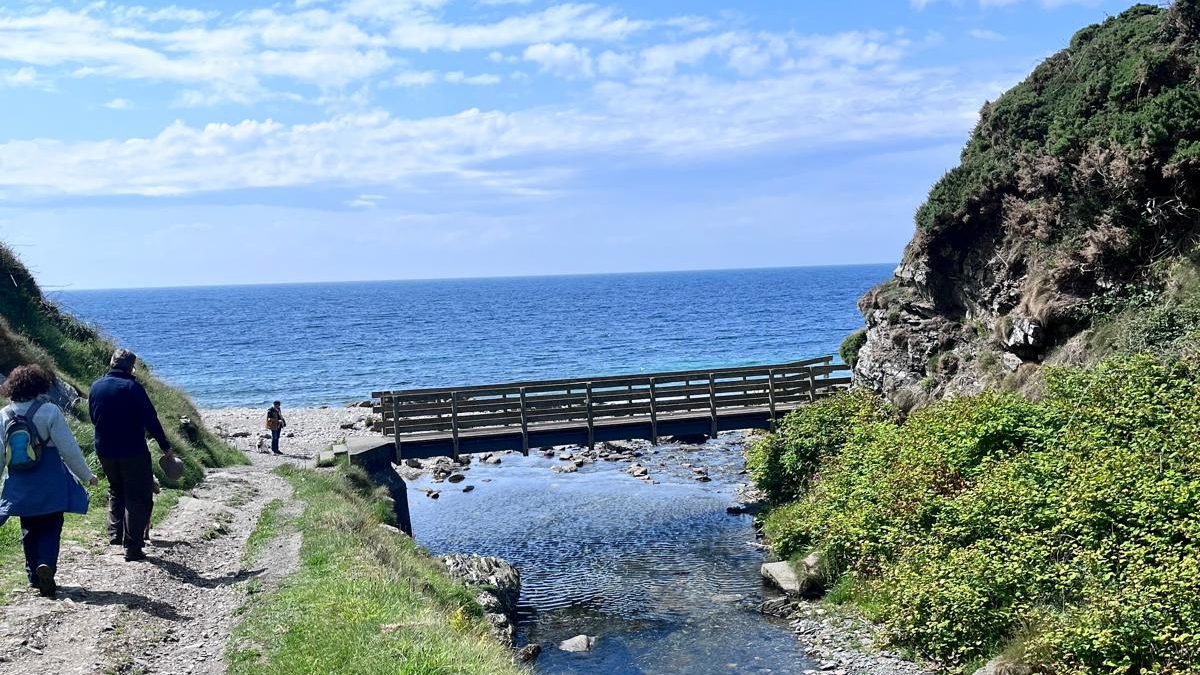
Roughly 25 minutes in, the scenery begins to shift; the thick woodland gives way to more open terrain, and then, you catch a glimpse of the coastline ahead. Just beyond the trees, a secluded little cove emerges like a secret waiting to be discovered. We arrived in the late afternoon and were lucky enough to have it completely to ourselves, just the sound of the waves, a stretch of pebbled shore and a dramatic coastline. It was genuinely hard to leave.
8. Douglas: The Unmissable Main Town
Douglas is the largest town on Isle of Man, and the location of the ferry terminal. As you pull into the harbour, your eyes are immediately drawn to what seems to be a tiny castle in the sea. This is in fact the Tower of Refuge, built in 1832 at the suggestion of Sir William Hillary, founder of the RNLI. Designed as a sanctuary for shipwrecked sailors, it’s both practical and poetic and indeed was given its name by William Wordsworth.
Douglas has the kind of amenities you’d expect from a major town: shops, restaurants, and a long, inviting promenade, parts of which are dog-friendly (though always check the signs). Additionally, it offers a horse-drawn tram, a delightfully nostalgic way to travel the length of the seafront. The tram drops you at the Manx Electric Railway station, where you can board a scenic ride north to Laxey and Ramsey. Change at Laxey, and you can continue to the summit of Snaefell, the island’s highest point, for panoramic views on a clear day.
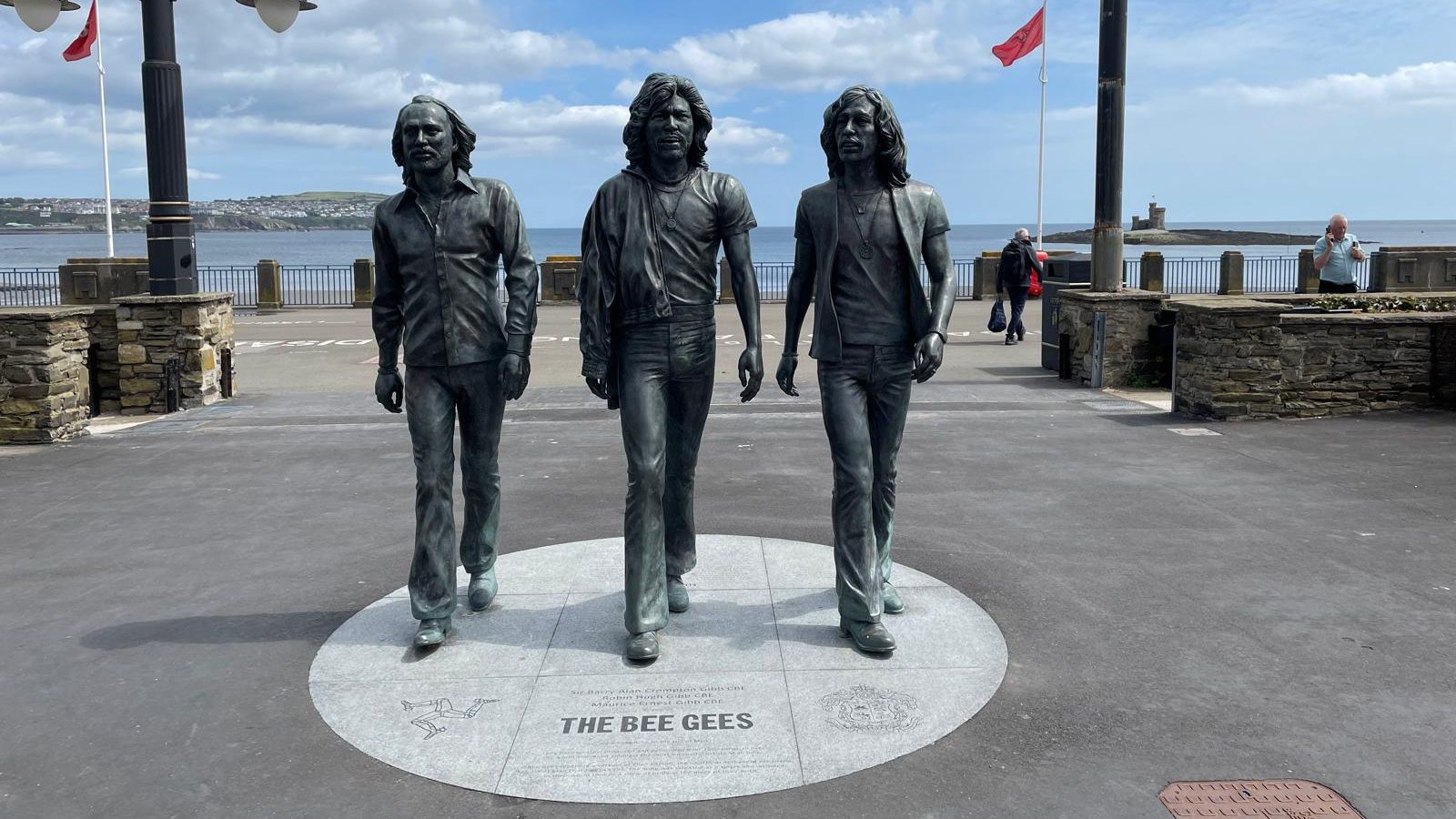
For music and art lovers, or simply those with a soft spot for great sculpture, the seafront is home to a bronze statue of the Bee Gees, a tribute to the Douglas born Gibb brothers. Inspired by the Stayin’ Alive music video, the statue captures their trademark swagger and unmistakable hair, striding confidently “back into town, from across the sea.” Even if you’re not a fan, it’s worth pausing for a look, it’s a beautifully made piece.
Douglas also pays tribute to two other well-loved entertainers from the past: Norman Wisdom, who lived on the island for nearly 30 years, and George Formby, known for his role in the 1935 TT-themed film No Limit.
For a touch of childhood magic, head to the north side of town to find Summertime Glen, a small woodland area said to be home to the island’s fairies. Keep an eye out for tiny fairy doors tucked into tree trunks and mossy rocks. At night, the glen is softly lit, adding a little sparkle for younger visitors or anyone open to a bit of enchantment.
Heading south out of Douglas, is another Glen at Port Soderick. Like many of its sister glens, it offers a peaceful walk through woodland that leads down to the coast. That said, if you’re short on time or narrowing down your must-see glens, I’d personally recommend Glen Myre over this one as it wasn’t as stunning as Glen Myre.
9. The Sound & The Calf of Man: Seal-Spotting at Sunset
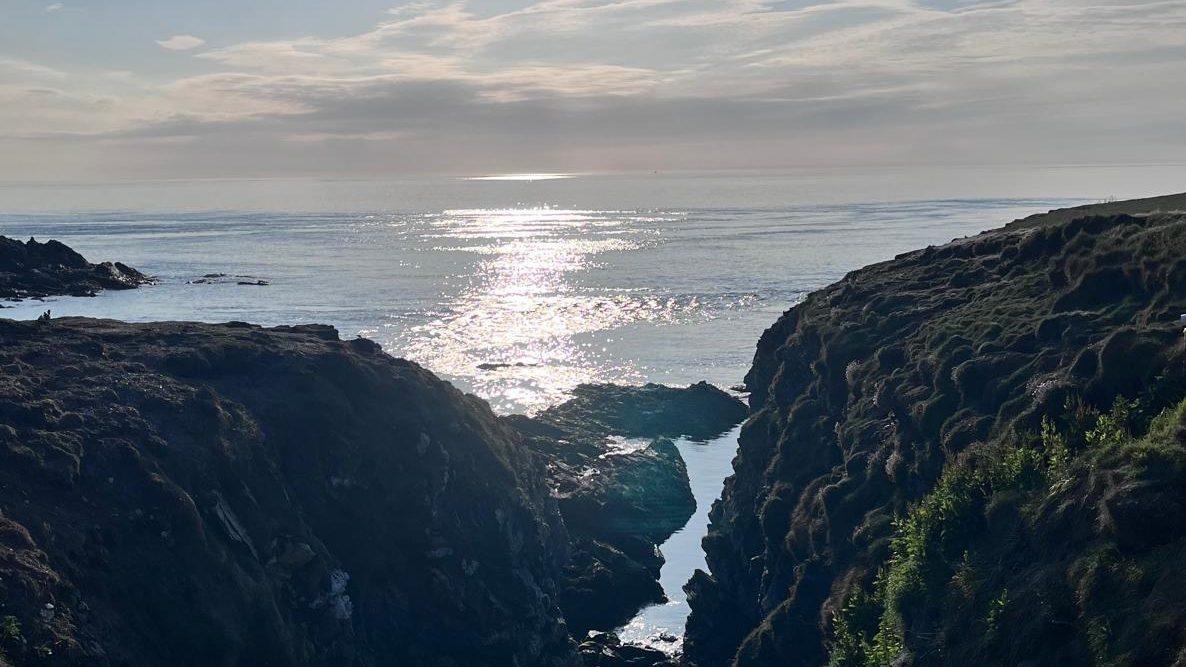
From our holiday cottage, we had a postcard-perfect view, Port Erin to one side, Port St Mary to the other, and between them, a rolling hill topped with a village that’s home to the small Cregneash History Museum.
Following the Cregneash road south brings you to The Sound, the most southerly point on the Isle of Man, where you’ll find yourself face-to-face with the Calf of Man, a rugged little island and protected nature reserve just offshore. You can reach it by boat, but honestly, the views from the mainland are more than enough.
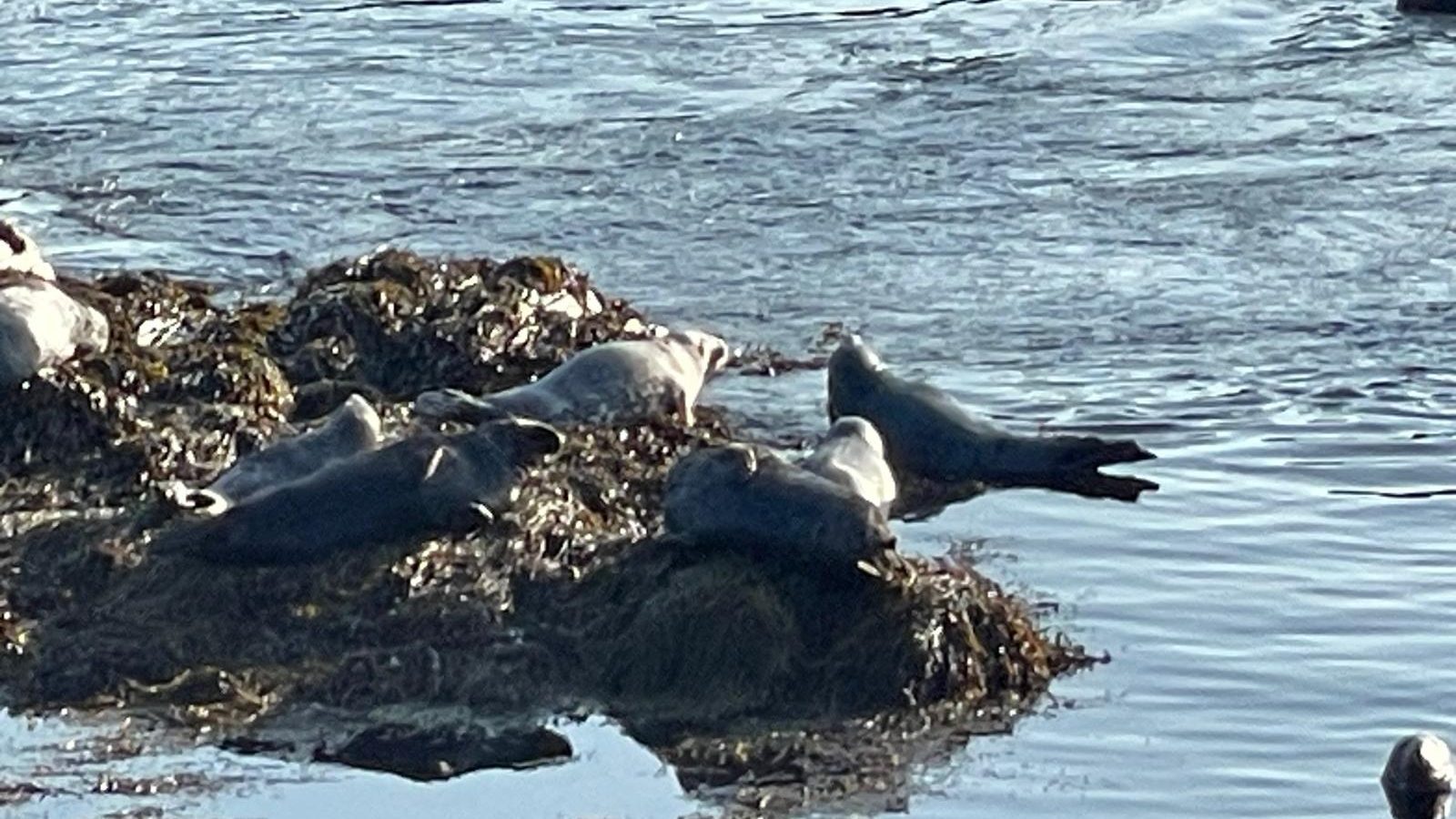
We didn’t go to the Calf of Man but we arrived with it in view just before sunset, and it was one of those rare moments when you instinctively slow down and soak it all in. And just when we thought it couldn’t get better, it did. Below us, sprawled across the rocks, were several colonies of Seals. Unlike our earlier sighting at the Point of Ayre, this time we were close enough for photos, and spent a good while quietly observing them in awe. To witness seals so close, in such a peaceful setting, was a perfect, unplanned ending to our day. Indeed, we loved it so much that we returned the following day for lunch at The Sound Café simply to look at the amazing views once more.
10. Sneafell & Laxey: A Tram Ride to the Clouds (and Cake at the Top)
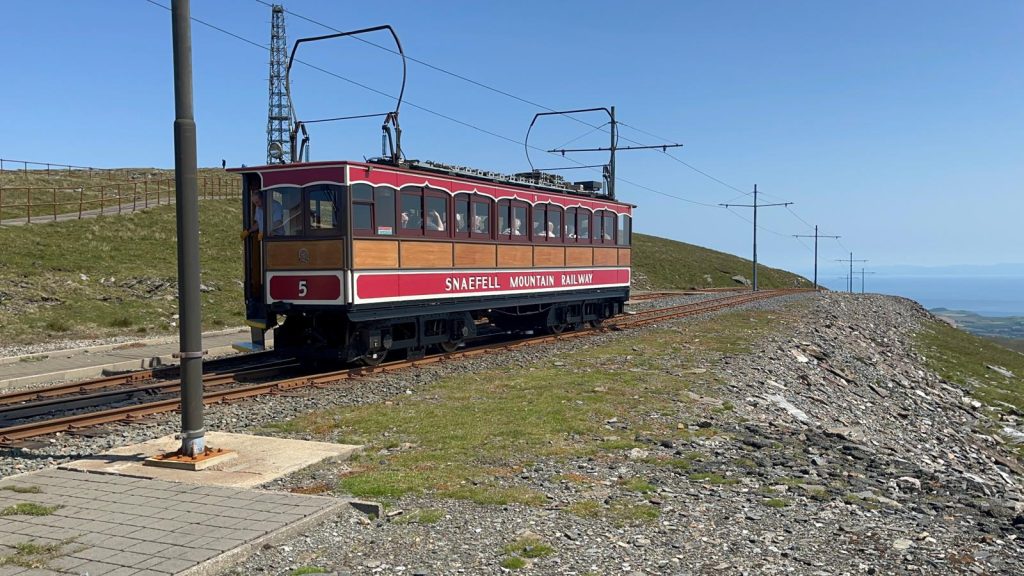
Later in the week a beautiful morning took us north again, this time to the heights of Sneafell, the highest mountain on the Isle of Man. Rising 620 metres above sea level, Sneafell offers panoramic views and a unique chance to take a mountain tram ride with a Victorian twist. The Sneafell Mountain Railway connects the charming town of Laxey to the summit, with departures roughly every 30 minutes. It’s an old-world journey, and the tram winds its way uphill with just one stop en route -The Bungalow, a station that sits just below the summit. From here, you have two choices: stay aboard and ride to the top, or hop off and hike the final 30 minutes on foot.
Now, let me be honest: it’s not an “easy” 30 minute hike. The path is steep and uneven in parts, so if you’re even a little unsteady, I’d suggest staying on the tram. But if you’re feeling adventurous and the weather’s kind, you will be rewarded with breathtaking views and a serious sense of accomplishment. At the top, you’ll find a cosy summit café serving up tea, cakes, and snacks. We were lucky to have clear skies, and the views were extraordinary: the island stretched out beneath us, and on the horizon, we could see as far as Cumbria and southern Scotland. Even on a sunny day, it can get breezy up there, so definitely bring a layer or two just in case.
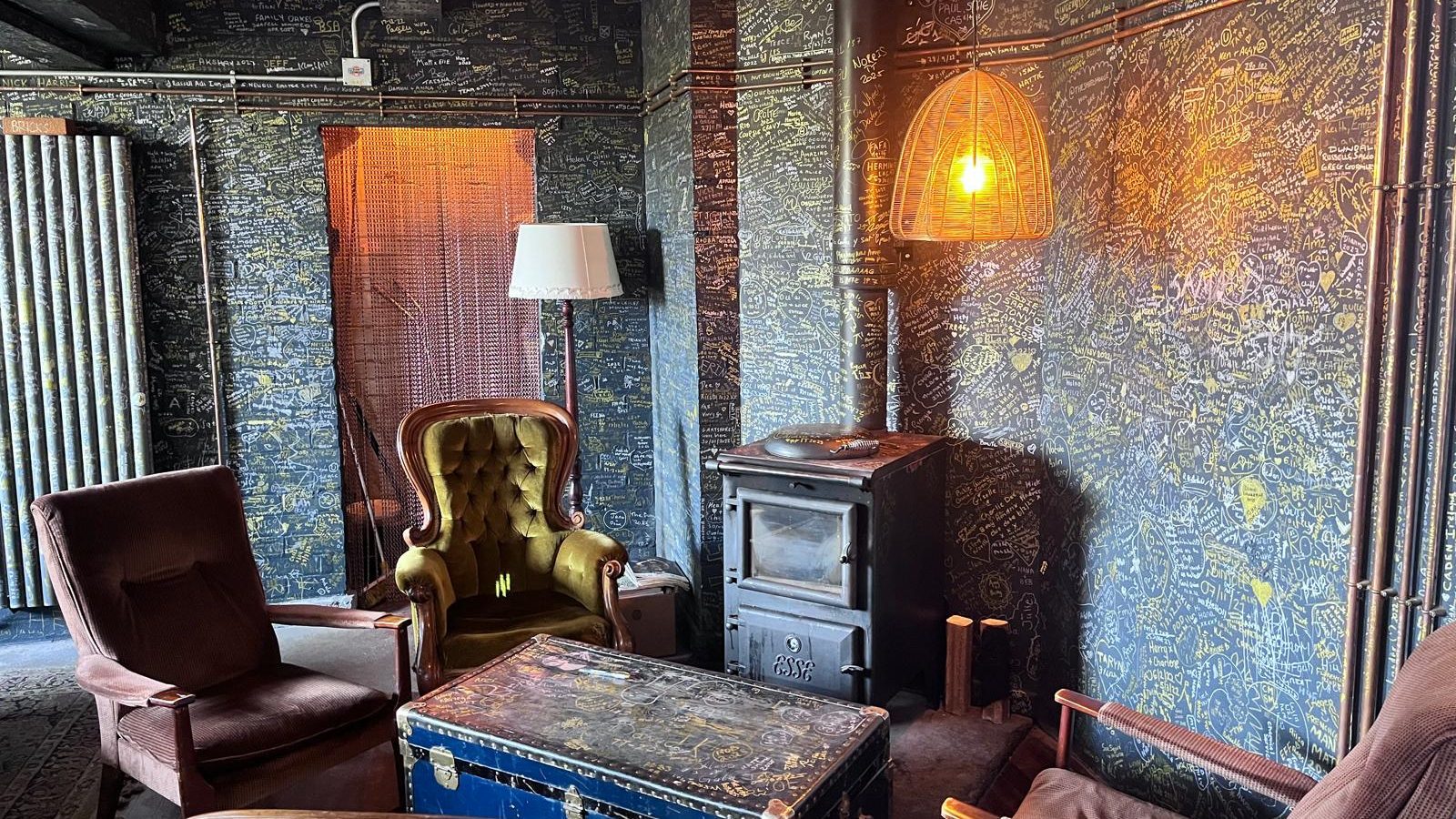
After descending, we popped into the nearby Victory Café at The Bungalow – a quirky, biker-themed spot that surprised us in the best way. With vintage bikes on display and a warm, retro vibe, it’s clearly a tribute to TT culture.
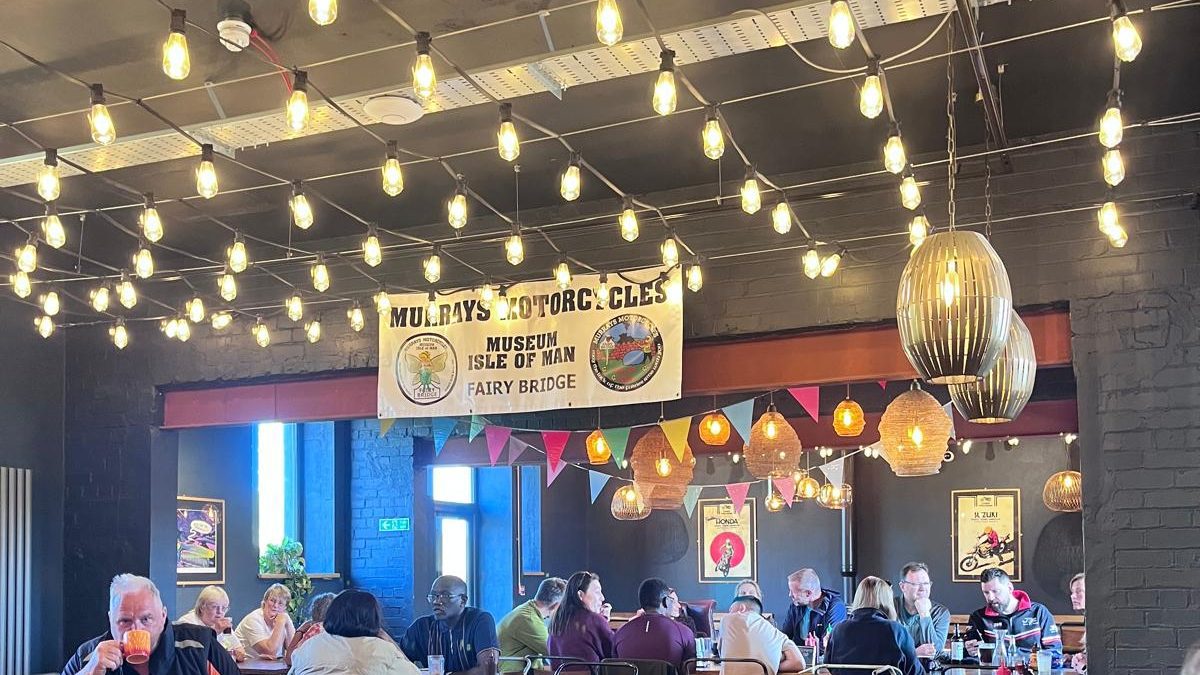
The food was hearty, homemade, and generously portioned. Outside stands a moving tribute to Joey Dunlop, TT legend and 27-time race winner.
11. Laxey: Industrial Icons and Seaside Simplicity
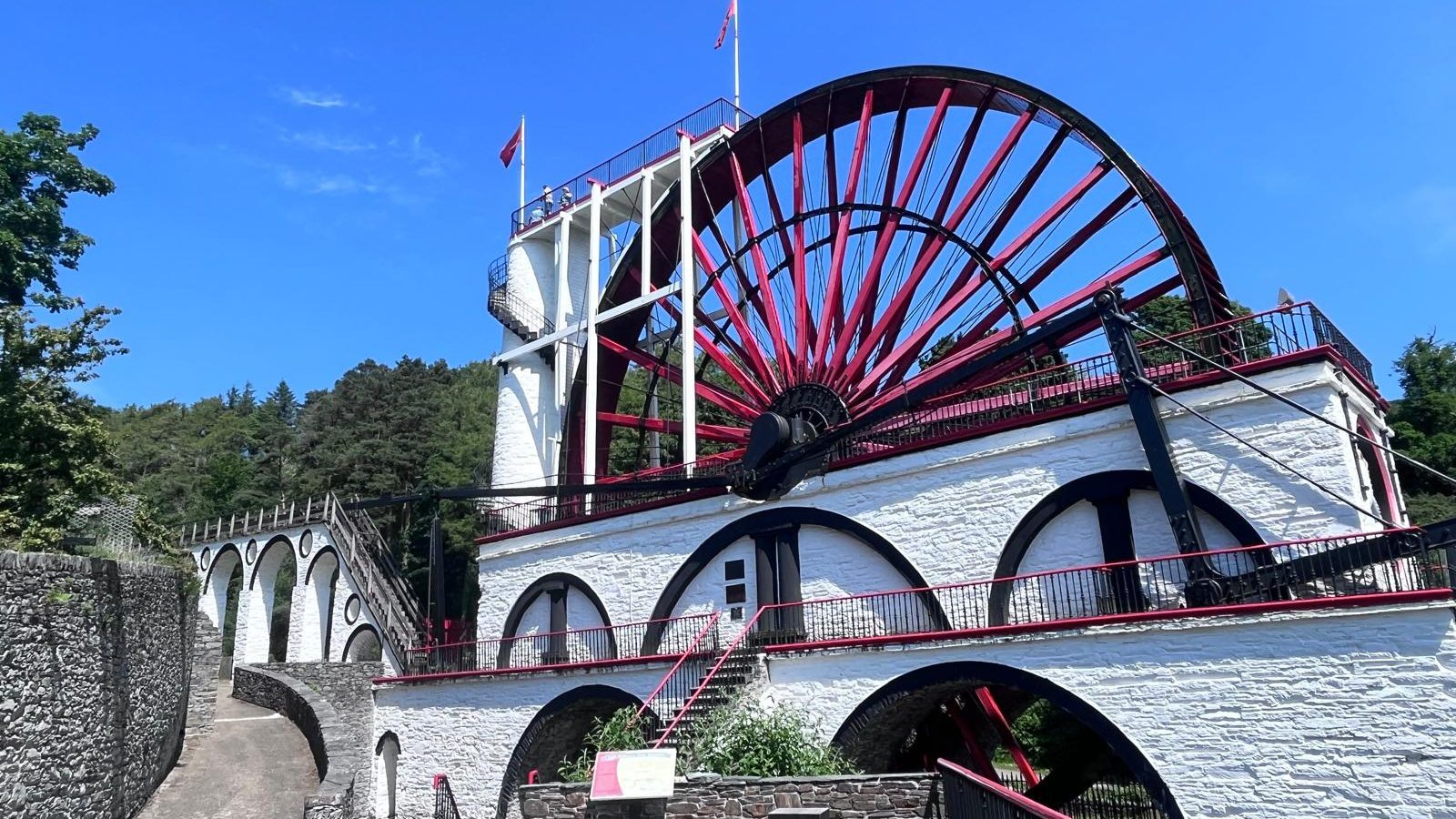
After our morning on Sneafell, we drove around 15 minutes to the village of Laxey, home to one of the Isle of Man’s most iconic landmarks: the Great Laxey Wheel, a towering tribute to the island’s mining past. Painted boldly in black, red and white, this Victorian engineering marvel once pumped water from the copper mines below, and it’s still turning today. You can spot it from quite a distance, which adds to the sense of drama as you approach.
If you’re feeling brave (or at least not too bothered by external narrow spiral staircases), you can climb to the top via 96 steep, slightly hair-raising steps. Beware, it’s one person at a time and definitely not for those with a fear of heights.
Beyond the wheel, several paths follow the original mine layout, and one tunnel has been opened for a very short underground wander. Hard hats are required, even for a quick photo, and it’s the perfect chance for a slightly silly, slightly historic selfie. If you’ve had enough of industrial heritage for one day, Laxey also has a beach and promenade, just a 5- minute drive or a 30-minute stroll downhill. The seafront is simple but peaceful, with a couple of cafés, plenty of space to sit and watch the tide come in, and, like the rest of the island, free parking. You might need a parking disc (the ones that show your arrival time), but most places have areas which don’t bother with restrictions.
12. Castletown: Castles & Coastlines
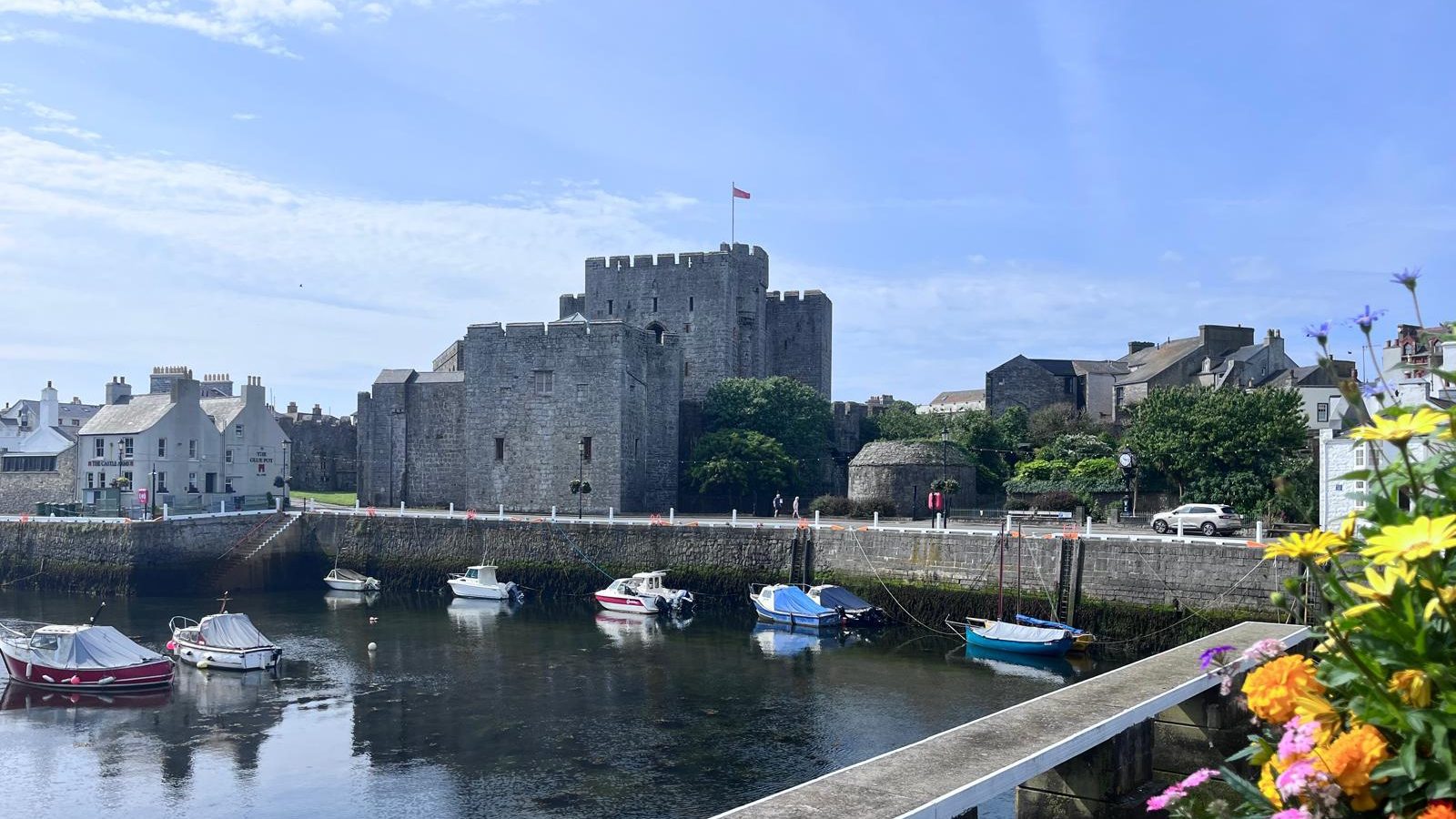
Our final day on the Isle of Man greeted us with yet more glorious sunshine and a visit to Castletown – one of the island’s larger and more historic towns.
Castle Rushen is a towering medieval fortress with thick limestone walls and a rather grand plaque above the entrance declaring it “The Fortress of the Kings and Lords of Mann.” Very Game of Thrones energy. Sadly, dogs aren’t allowed inside, but if you’re travelling with a National Trust or Manx National Heritage card, entry is free (yet again, such a bonus on this island!). The castle sits right beside a pretty little harbour, making for some lovely photos and memories.
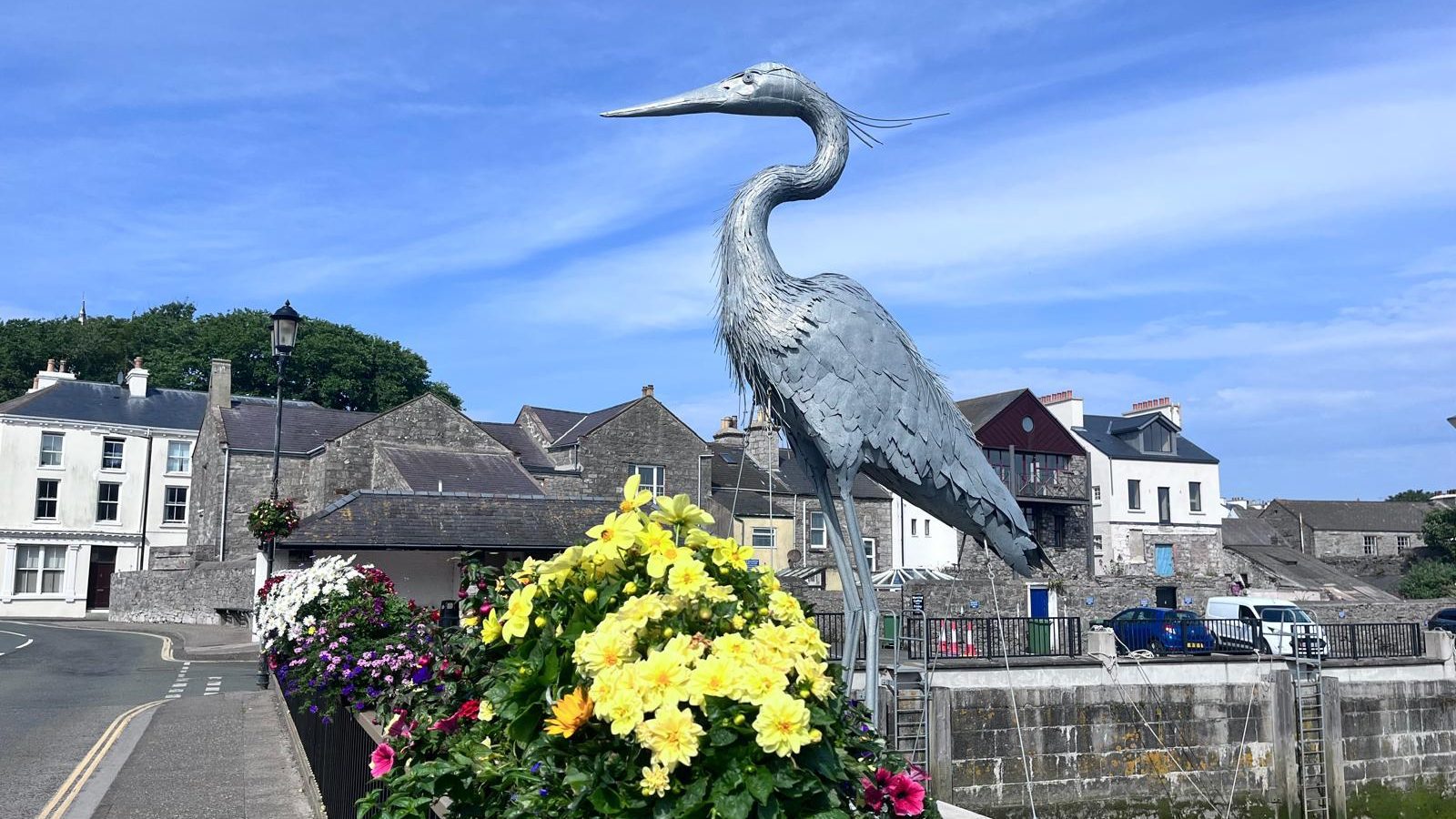
Just a mile outside Castletown lies Scarlett Point, a wild and rugged stretch of coast. There’s a Discovery Centre here, though it’s run by volunteers and only open for limited hours on certain days, so check ahead if that’s a must-see for you. The coastal path here offers a beautiful walk along rocky shorelines with dramatic views out to sea and perfect pictures.
Conclusion
We had an incredible week exploring the Isle of Man. Thanks to the island’s compact size, we could cross from coast to coast in under an hour, perfect for laid-back adventures and spontaneous detours. Would we go again? Definitely. Our favourite places were Glen Maye, The Sound, and Port Erin.
The Isle of Man is an ideal destination for travellers who love coastal walks, charming cafés, historic castles, and scenic hikes. It’s also wonderfully dog-friendly, so you can bring your pup along for the journey. Whether you’re looking to relax, take stunning photos, or dive into local history, this island has something special to offer.
7 Days in the Isle of Man FAQs
Douglas is the vibrant capital and main hub of the Isle of Man, making it an essential first stop on your one-week itinerary. In Douglas, you can enjoy the beautiful Douglas Promenade – perfect for leisurely coastal strolls with stunning views of the Irish Sea. The Manx Museum, located in the town centre, offers fascinating insights into the island’s Celtic, Viking, and maritime history. Don’t miss walking or cycling along Marine Drive. Douglas also boasts a lively café scene, local shops, and theaters, making it ideal for combining culture, history, and relaxation in one place.
Peel is a charming fishing town on the west coast of the Isle of Man, rich in history and natural beauty. As highlighted in our itinerary, Peel is home to the impressive Peel Castle, a historic Viking fortress perched on St Patrick’s Isle with panoramic views over the Irish Sea. The town’s harbor area offers a delightful mix of seafood restaurants, local shops, and a sandy beach popular with families. Peel also hosts various cultural events and markets throughout the year, providing visitors with a genuine taste of Manx life and traditions. Its blend of heritage, coastal charm, and local hospitality makes Peel a must-visit highlight on any Isle of Man trip.
Just a Little Something Extra
Isle of man folkore
The Isle of Man is steeped in myth and legend, with folklore as rich as its landscapes. Here are 3 tales we came across.
Finn McCool – The Giant Who Shaped the Isle
Also known as Fionn Mac Cumhaill, he was a legendary Irish giant. Tales say that Finn was challenged by a fearsome Scottish giant across the narrow sea channel. As insults flew, so did great clumps of earth, one of which landed in the Irish Sea, creating none other than the Isle of Man.
Moddey Dhoo – The Black Dog of Peel Castle
Perhaps the island’s most famous ghost story, the Moddey Dhoo (pronounced Mauther Doo) is said to haunt the walls of Peel Castle. This black dog was feared by the soldiers stationed there – so much so that they refused to walk alone through the castle at night. One evening, a young soldier dismissed the warnings and ventured solo through the haunted passageway. Moments later, screams were heard. He was found alive but shaken and died days later, never speaking again.
Manannán mac Lir – Guardian of the Mist
The Celtic god of the sea Manannán mac Lir, chad the power to confuse, conceal, and protect. He could transform a handful of woodchips into a mighty fleet and a lone standing on a headland appear like an army of one hundred. It’s also said that the mist that often cloaks the island is his cloak of invisibility, shielding it from danger.
Why Readers Trust Travel Girls Corner
Travel Girls Corner is built by women who genuinely love to travel, and who actually do it. Every guide, itinerary, and recommendation is written by female travellers who are constantly exploring the world, from long European rail adventures to far-flung global escapes.
Our founder has been travelling for years, including a five-week Interrail journey across Europe, and many of our contributors are always on the move — discovering new cities, revisiting favourites, and keeping our guides modern and up to date.
What makes us different?
- Travel guides written exclusively by women
- Authentic, firsthand experiences combined with curated research
- Hidden gems alongside iconic highlights
- Modern, comprehensive city guides — not just surface-level lists
- Real recommendations we genuinely love
We go beyond tourist attractions. You’ll find stylish jazz bars, local neighbourhood cafés, boutique stays, cultural spots, practical transport advice, and detailed planning support — all designed to help women travel confidently and experience destinations fully.
We’re not a faceless travel blog brand. We’re ordinary women who travel often, care deeply, and share what we discover. Meet the team here.
Whether you’re planning a city break, a European adventure, or a long-haul escape, Travel Girls Corner offers authentic travel guides written by women, for women — comprehensive, trustworthy, and always evolving.
Explore more destinations, discover hidden gems, and plan your next trip
Editorial Policy
At Travel Girls Corner, everything we share is rooted in real travel experiences. Our content is created by a team of women travelers of different ages and backgrounds, offering well-rounded perspectives on destinations, itineraries, and travel tips. We are always welcoming more women to join our team, helping us amplify diverse voices and share even more amazing travel experiences.
We combine personal experience with thoughtful research to provide accurate, practical, and honest guidance. While we strive to ensure information is as current as possible at the time of publication, travel details—like opening hours, transport schedules, or local conditions—can change. We encourage readers to double-check important details before planning their trips.
Some links on this site may be affiliate links, which means we may earn a small commission at no extra cost to you. This helps us keep Travel Girls Corner running while continuing to share authentic, experience-led travel content.
Every recommendation, guide, and tip reflects experiences we genuinely love—from hidden gems to must-see highlights. We do not exaggerate or sensationalize; we share what we truly encounter and enjoy, with honesty and integrity at the heart of our editorial approach.