Best Interrail Backpack 2026: The Bag That Got Me Through 5 Weeks Of Backpacking
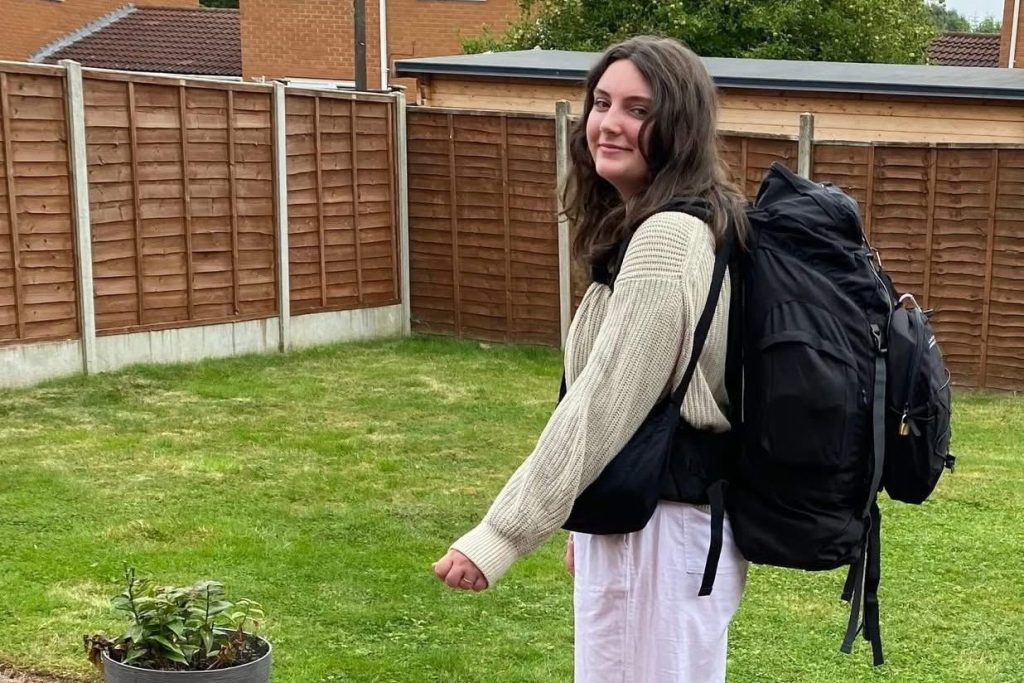
If this is your first time Interrailing, trust me – it’s not as intimidating as it seems. This guide will help you choose the right backpack, pack smartly, and stay organised, so you can enjoy Europe hands-free without overthinking every detail.
Don’t have a lot of time? Check out my exact backpack I used on my 5 week interrail trip here.
Let’s be real: choosing the right backpack for Interrailing is the decision that can make or break your trip. According to the official Interrail Company over 746,000 travellers planned to explore Europe in 2024, and I’m sure I wasn’t the only one who found choosing a backpack overwhelming.
Too big, and you’ll feel like a tortoise lugging your home around. Too small, and you’ll be re-wearing the same top from Day 2 in Paris all the way to Budapest, missing out on some stunning Instagram-worthy pictures because you just couldn’t fit in that dress that was made for Lake Como. So getting it right is quite important. There are many things to consider when looking for the perfect backpack, and it’s not always just about size. In this post, I will help you think about what type of backpack might be the best for you and give you my personal recommendation, based on real experience.
P.S – You really don’t need to invest in that Osprey bag you keep seeing!
TL;DR (what I actually used and loved):
- Backpack choice: Eurohike 65L is comfy, supportive, and durable for 5-week trips.
- Size guide: 40–50L for 1–2 weeks; 60–70L for month-long adventures.
- Packing hacks: Packing cubes, rolling clothes, essentials at the top.
- Bonus: Take a small daypack like the Uniqlo crossbody for daily adventures.
Related Posts
- What Is Interrailing & The Interrail Pass
- What to Take Interrailing
- My Ultimate Interrailling Route: 15 Destinations, 11 Countries, 5 Weeks Across Europe
What To Consider When Looking For Your Backpack
Before feeling overwhelmed by the backpack market, pause and ask yourself these questions:
Q1: How long am I travelling for – a week, two weeks, or a full month of Interrailing?
Okay keep that number in mind and let’s talk size (because it matters):
| Size of Backpack | Best For | Recommended for interrailing? |
| 90+ L | Other types of travel. | Too big for a month-long Interrail trip. Rarely seen. |
| 60L-70L | Travelling for a month or more. | Perfect for month-long trips. Fits essentials, manageable on trains. |
| 40-50L | Minimalist packer. Travelling for less than a month. | Ideal for 1–2 week trips or minimalist packers. Fits carry-on rules for many airlines (but always check your specific airline). |
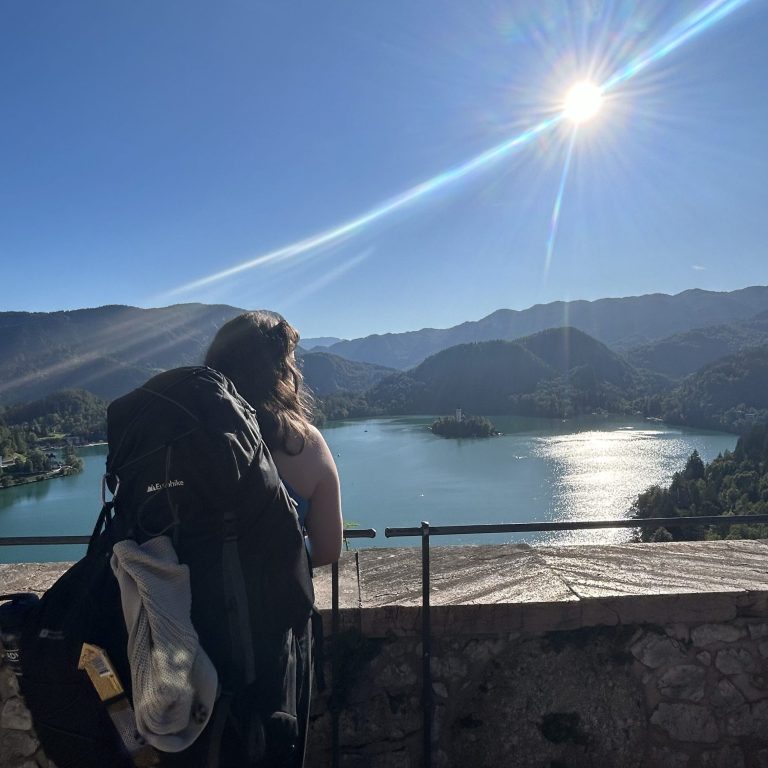
I took a 65L backpack for my 5-week Interrail trip and it was perfect for me!
Charlie’s Experience
I chose a 65L because I was Interrailing for 5 weeks, but if you’re only doing 2 weeks, I suspect you could get away with 45L or 40L quite easily.
Also, if you aren’t comfortable carrying a backpack over 60L and you are a heavy packer or you are going for a month or more, you might want to look for other options like a suitcase or work on strengthening your back before your adventure. If you have any medical issues, I would always recommend talking to a professional.
Q2: Am I someone who packs light, or do I like having extra outfit options and “just in case” items?
(I’m a ‘just in case’ person!)
Charlie’s Experience
When I went Interrailing, my backpack was packed to the rim. I couldn’t afford to put anything else in it and still carry it or bring things home.
To combat this, I also took a small Mountain Warehouse backpack with me and attached it to my 65L with a carabiner. This became handy as a safety mechanism for my bag. This won’t be essential unless you, like me, know you will want to bring home gifts and souvenirs. Even with this extra bag, I wouldn’t recommend anything more than a 65L.
Q3: Do I want my backpack to be carry-on size, or am I happy to check it in if needed?
Really think about this question as it’s a pretty good question as it will very quickly whittle downpour backpack options.
A 40L backpack is generally the largest carry-on allowed on most airlines, so if you plan to fly at any point (for example, coming home) and want to carry on your luggage, keep this in mind. Always check your airline bag policy… especially if flying Ryanair!
Q4: Will I be carrying it long distances (like walking to hostels), or just short hops from train to station?
Be honest with yourself about your limit. A 40L backpack might be too heavy, a 65L too heavy, or all backpacks might feel too heavy, so maybe a suitcase or wheeled backpack is better.
Why I loved My Backpack
I loved my backpack despite not being the strongest or fittest it allowed me to walk around cities, train stations, and airports easily and comfortably, even with limited strength.
Q5: What’s more important to me – affordability, comfort, security or style?
(and its okay if it is all of these, see my recommendation at the end!)
Correct me if I’m wrong, but if you’re Interrailing, I suspect you want a backpack that won’t break the bank. In that case, brands like Osprey might not fit your budget (they certainly didn’t for me), no matter how highly recommended they are.
Save yourself the time and stress of getting caught up over a very pretty Osprey backpack. Right now, that money might be better spent on your actual Interrail trip rather than a fancy brand.
For me, comfort was key, so I looked for backpacks with supportive back panels and straps. If a bag doesn’t have these, is it a deal breaker for you? Features like this are worth researching carefully.
Safety was also important, and unfortunately, many of the backpacks I tried didn’t have zips for the main compartment – most only had drawstrings. Unfortunately, this was a common issue with a lot of backpacks I tested, even with some that had a drawstring with an extra attachment. If you find yourself in this situation, I have a tip for you (you can find it at the end).
Q6: Do I need space for extras like a laptop, camera, or souvenirs?
Personally, I wouldn’t recommend taking a laptop with you. That said, I understand that some people need one if they work for themselves. This is something to think about carefully. If possible, I’d suggest opting for an iPad instead, as it’s much more flexible for travel.
Charlie’s Suggestion
My suggestion is to get an extra small backpack, like the mountain warehouse backpack, so you can safely store your camera, souvenirs, or other essentials separately from the rest of your things. I think it’s especially important to have a separate bag for electronics – you never know what might happen. One day, you might need to do laundry, and if your clothes don’t dry in time, you could end up putting wet items in the same bag as your electronics. That’s definitely not worth the risk.
Want to see exactly what I packed in my interrrail backpack?
So What Backpack Did I Travel Europe With?
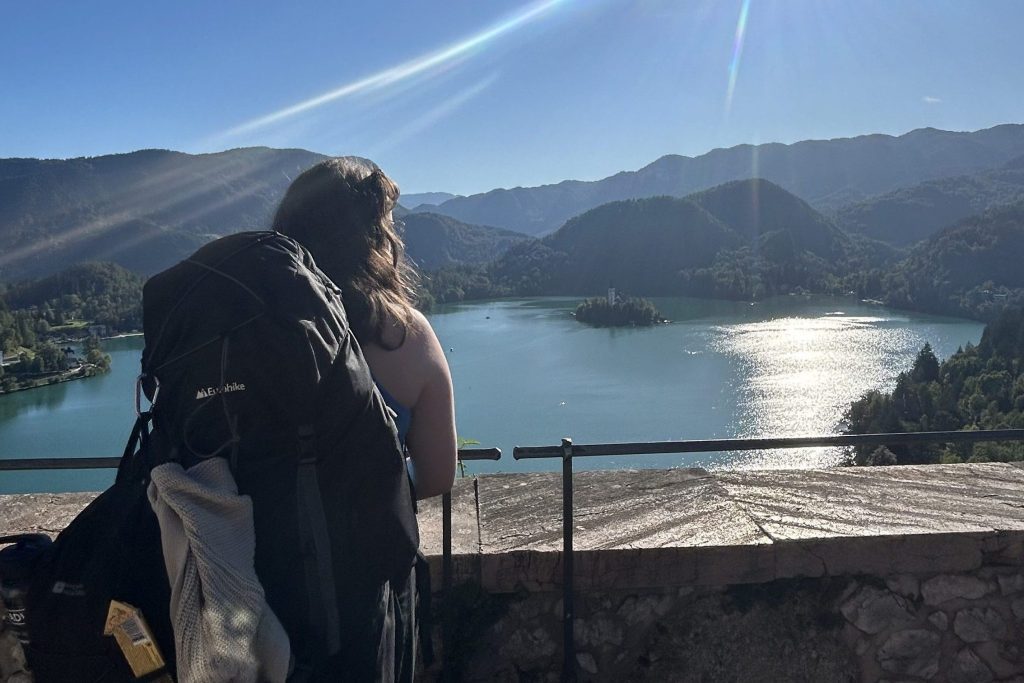
Had enough of my rambling? Check out my exact backpack I used on my 5 week interrail trip here.
If you’re looking for my top pick, it’s the Eurohike 65L backpack. I wasn’t convinced at first- I’d had my eye on Osprey after seeing it on BBC’s Race Across The World and thinking it looked cool. But Osprey is pricey, and honestly, I felt my money was better spent on experiences during the trip rather than a designer bag.
Why I Recommend the Eurohike 65L Backpack
Pros and Cons of the Eurohike Nepal 65L Backpack for Interrailing
| Pros | Cons |
| Sturdy construction | Not fully waterproof (no waterproof cover included) |
| Affordable | Drawstring opening for main compartment (less secure) |
| Comfortable | No dedicated water bottle pockets |
| Spacious | More basic features; lower overall quality and performance compared to premium brands like Osprey |
| Multiple compartments | Likely shorter lifespan with heavy use |
| Supportive features like adjustable chest and hip belt | Might not suit regular or long-term use |
| Fully adjustable harness system | Possibly too large for shorter trips |
| Padded harness system | Limited colour options |
| Lightweight (1.38kg) | Too short for taller individuals |
My Favourite Features
My favourite features of the Eurohike bag are the supportive elements, like the adjustable chest strap, harness, and hip belt. In my opinion, these are essential on any backpack, as they greatly improve weight distribution and make carrying a heavy load much more comfortable. I wouldn’t recommend a backpack without them for an adventure like Interrail.
In my opinion, the Eurohike truly has everything a first-time interrailer needs to feel comfortable, confident, and happy on their trip. I’d especially recommend this backpack if you’re planning to use it for a one-off adventure or won’t be travelling frequently. If you plan on doing more trips, hiking, or extended walking adventures, a premium brand like Osprey might be a worthwhile investment.
Interrailing Backpack Packing Tips
Want to see exactly what I packed in my interrrail backpack ? → See what I recommend you take interrailing here
- Packing Cubes: Packing cubes are something you’ll see me rave about a lot on this blog, and for good reason – they’re lifesavers. If you’re interrailing, these are essential for keeping your backpack organised. Think of them as little drawers for your bag. Most packs come with multiple sizes and often a small laundry bag, which is incredibly helpful for keeping clean and dirty clothes separate while travelling. Here’s Amazon’s choice, or you can grab them from Primark or Aldi – I got mine from Aldi for just £4!
- Pack your backpack correctly: I didn’t know this during my Interrail trip, but since researching for this article, I’ve learned that there’s a specific way to pack a backpack for optimal weight distribution. You can read all about it here, which will give you a solid understanding of how to pack effectively for your Interrail adventure.
- Keep your essentials at the top of your bag: It might sound obvious, but keep important items like your passport, phone, wallet, and tickets easily accessible. It’s easy to get carried away packing and then realise that what you need is buried at the bottom of your bag.
- Utilise compartments: Most backpacks come with multiple compartments for a reason – use them! If you try the Eurohike bag, you’ll find a lid pocket at the top where you can keep your essentials safe, secure, and easily accessible. You can also store shoes in the bottom compartment or attach them with a carabiner for convenience.
- Travel light with your footwear: I recommend taking two pairs of shoes that you can alternate between while exploring—on my trip, I used a pair of sandals and my New Balance trainers, which worked perfectly. I’d also suggest packing a cheap pair of flip-flops for communal showers. I stored them in the bottom compartment of my bag, and it worked out really well.
- Roll, don’t fold: Packing cubes are lifesavers, but they’re even more efficient if you roll your clothes instead of folding them. If you’re worried about creases, bring some crease-release spray – you can find it cheaply at stores like Home Bargains. Rolling your clothes helps you fit more into your backpack, which is especially important if you’re using a smaller-sized bag.
- Attach another bag: If you want, you can easily attach an additional bag to the Eurohike backpack. Use carabiners to make attaching items quick, secure, and efficient.
Other Luggage Must Knows for Interrailing
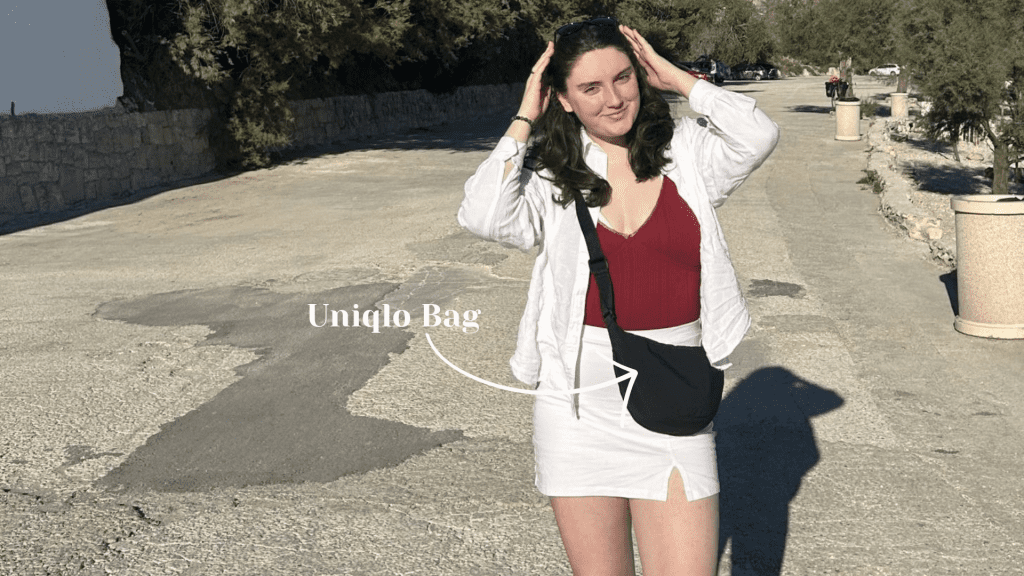
Uniqlo Crossbody Bag: One bag I have to mention is the famous Uniqlo crossbody bag – easily my favourite bag I’ve ever bought. It’s perfect for an adventure like Interrail: small, yet surprisingly spacious, almost like a Mary Poppins bag. I’ve used it multiple times while travelling, and once managed to fit a passport, a water bottle, a battery charger, and other essentials inside – incredible! I’ve also squeezed in a jumper alongside my phone and purse. I’m not getting paid to rave about this bag, but honestly, if I were, I’d jump for joy.
Why the Rant About the Uniqlo Bag?
Not only is the Uniqlo bag fabulous for its space, but it can also carry an incredible amount of items, making it perfect for Interrailing. It’s ideal for day trips when you don’t want to leave your essentials and documents at your accommodation but also don’t want to lug around a big bag. It’s compact, stylish, and so lightweight that you barely notice it’s there, and it won’t ruin your photos!
If you’re planning your Interrail adventure, pair this backpack with my Interrail route guide and packing list, it’s the ultimate starter kit. If you have any questions drop me a DM or email!
Sources & Links I Shared 🌍
- Eurohike Nepal 65 Litre Rucksack
- 2024 Rail Recap: Where Interrailers travelled this year
- What Is Interrailing & The Interrail Pass
- What to Take Interrailing: Based On Real Experience
- My Ultimate Interrailling Route: 15 Destinations, 11 Countries, 5 Weeks Across Europe
- Amazons Current Choice for Packing Cubes
- How to Pack a Rucksack
Best Interrail Backpack 2026 FAQs
From my 5-week Interrail adventure, the Eurohike 65L gave me everything I needed without breaking the bank. Multiple compartments kept me organised, the harness system was comfy for long walks, and it even has a detachable daypack for city trips. While premium brands like Osprey are popular, Eurohike is ideal if you want a reliable, affordable backpack.
Check out my packing guide for tips on how I organised mine.
Backpack size depends on trip length and your packing style. I took a 65L for 5 weeks and wouldn’t recommend anything smaller. For 1-2 week trips, 40-50L is easier to carry and often fits carry-on restrictions. Comfort is key – pick a bag you can carry during long walks or train hops. Don’t forget a small daypack for daily excursions.
Packing cubes are lifesavers – they keep clean and dirty clothes separate and make it easier to find things. Rolling clothes saves space and prevents wrinkles, while heavier items should sit close to your back and lighter items on top. Keep essentials like passport, phone, charger, and snacks easily accessible. For a full breakdown on what to take interrailing, see my packing checklist.
Little extras can make a big difference. A foldable daypack is perfect for day trips, dry bags protect electronics from rain, and laundry essentials like a small line or travel detergent are great for hostels. Earplugs and an eye mask are lifesavers on noisy trains or in bright dorm rooms.
I attached a small daypack to my Eurohike, and it was a lifesaver for daily adventures and train journeys. Carry water, snacks, camera, or souvenirs while leaving your main pack safely at your hostel. Many travellers skip it, but trust me, you’ll regret it if you don’t!
Less is more! Pack only essentials and plan to do laundry along the way. Mix-and-match layers for different weather, use packing cubes for organisation, and make sure your backpack fits comfortably to avoid strain. For a complete breakdown of what I packed, check out my Interrail packing guide.
Author
Why Readers Trust Travel Girls Corner
Travel Girls Corner is built by women who genuinely love to travel, and who actually do it. Every guide, itinerary, and recommendation is written by female travellers who are constantly exploring the world, from long European rail adventures to far-flung global escapes.
Our founder has been travelling for years, including a five-week Interrail journey across Europe, and many of our contributors are always on the move — discovering new cities, revisiting favourites, and keeping our guides modern and up to date.
What makes us different?
- Travel guides written exclusively by women
- Authentic, firsthand experiences combined with curated research
- Hidden gems alongside iconic highlights
- Modern, comprehensive city guides — not just surface-level lists
- Real recommendations we genuinely love
We go beyond tourist attractions. You’ll find stylish jazz bars, local neighbourhood cafés, boutique stays, cultural spots, practical transport advice, and detailed planning support — all designed to help women travel confidently and experience destinations fully.
We’re not a faceless travel blog brand. We’re ordinary women who travel often, care deeply, and share what we discover. Meet the team here.
Whether you’re planning a city break, a European adventure, or a long-haul escape, Travel Girls Corner offers authentic travel guides written by women, for women — comprehensive, trustworthy, and always evolving.
Explore more destinations, discover hidden gems, and plan your next trip
Editorial Policy
At Travel Girls Corner, everything we share is rooted in real travel experiences. Our content is created by a team of women travelers of different ages and backgrounds, offering well-rounded perspectives on destinations, itineraries, and travel tips. We are always welcoming more women to join our team, helping us amplify diverse voices and share even more amazing travel experiences.
We combine personal experience with thoughtful research to provide accurate, practical, and honest guidance. While we strive to ensure information is as current as possible at the time of publication, travel details—like opening hours, transport schedules, or local conditions—can change. We encourage readers to double-check important details before planning their trips.
Some links on this site may be affiliate links, which means we may earn a small commission at no extra cost to you. This helps us keep Travel Girls Corner running while continuing to share authentic, experience-led travel content.
Every recommendation, guide, and tip reflects experiences we genuinely love—from hidden gems to must-see highlights. We do not exaggerate or sensationalize; we share what we truly encounter and enjoy, with honesty and integrity at the heart of our editorial approach.