
The Ultimate 8-Day Madagascar Road Trip Itinerary For Wildlife Lovers

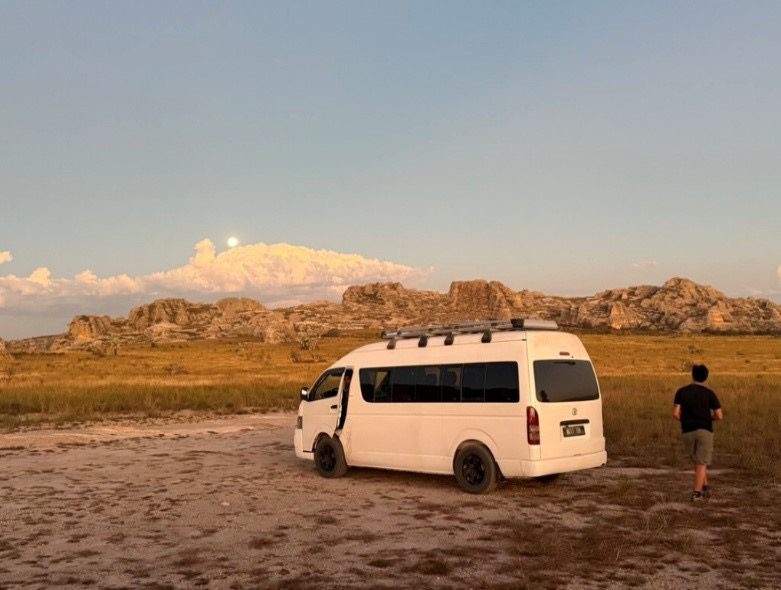
If you are a nature and wildlife enthusiast, like me, choosing Madagascar as your next adventure is a perfect choice! Situated in the Indian Ocean just 400km off the southeast coast of Africa, Madagascar is a world-renowned wildlife destination. This island, the fourth largest in the world, is a biodiversity hotspot like no other, and second only to Brazil in terms of endemic species. That means nearly every creature you see here exists only here. And trust me, we saw plenty. From spiny desert forests and towering baobabs trees to misty rainforests, each day of this journey felt like stepping into a new ecosystem and a new chapter of discovery.
Getting to Madagascar
We flew Emirates from Singapore via Dubai and Mauritius, then hopped on a propeller flight from Antananarivo to Toliara. Flying low gave us a jaw-dropping preview of Madagascar’s dramatic landscape and, from there, the real journey began: an epic 8-day road trip through Madagascar, winding through every landscape imaginable.
Warning: the roads are rough (to say the least), let’s just say driving in Madagascar is never dull! Self-drive holidays in Madagascar can be challenging due to road conditions so hiring a local driver is recommended.
We were a group of 10 with a trusty driver and guide, travelling in a van with luggage stacked high on the roof. At each destination, we connected with local guides and wildlife spotters. The journey was a mixture of days in the wild, punctuated with long drives. Given the low number of tourists, the quality of hotels and food was far better than I expected, aided no doubt by the dramatic surroundings and beautiful scenery that surrounded each of our hotel stops. Additionally, the locals were warm and friendly, always a bonus!
A Country of Rich Beauty and Harsh Realities
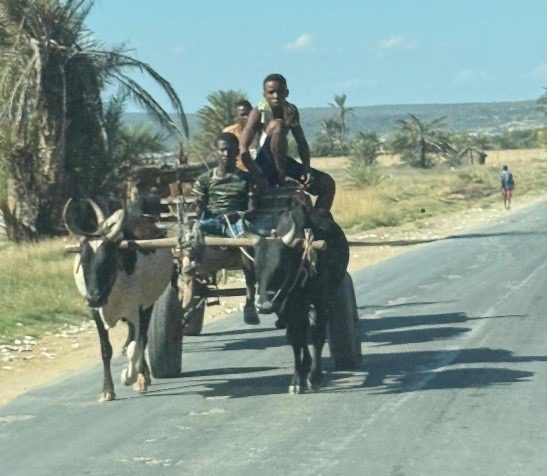
Madagascar’s natural beauty is striking, but so is its fragility. Due to poverty and lack of infrastructure, around 80% of Madagascar’s natural habitats have been lost to logging, charcoal production, and slash-and-burn agriculture. It’s sobering, but it also adds meaning to every encounter we had with its incredible wildlife.
Before we get into the wild, a few travel tips for Madagascar:
- Health & Safety: Malaria is present, so I took antimalarial medication and wore appropriate clothing. Mosquitoes weren’t a huge issue, but better safe than sorry. Bottled water is essential.
- Food & Culture: Expect a delicious French influence, croissants, Zebu steaks, and French fries are common. Breakfasts were simple and fresh (think eggs, fruit, and pastries).
- Connectivity & Currency: I picked up a local SIM card at the airport, and signal was surprisingly decent throughout the trip. This is a cash-based country, so I exchanged euros upon arrival. Tipping is both appreciated and needed.
Ifaty Spiny Forest – 2 Nights at Vovotelo Hotel
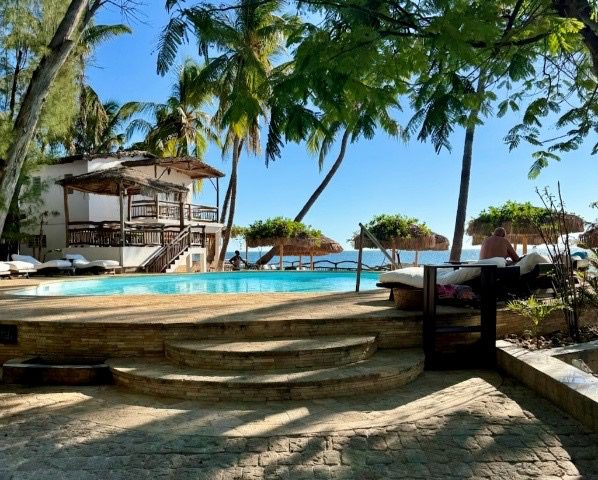
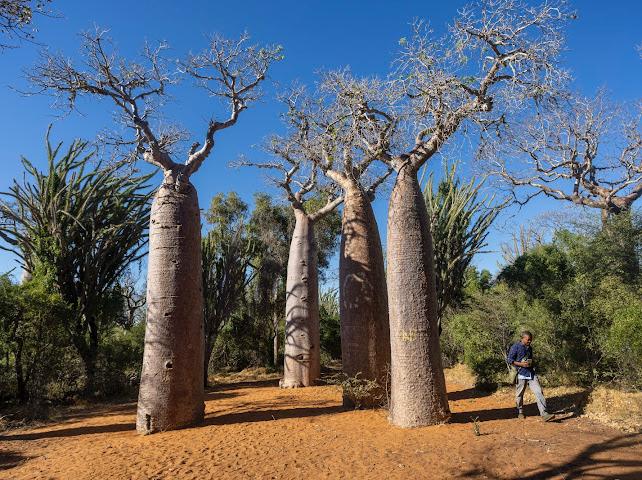
Our first stop was Ifaty in southwestern Madagascar, home to the surreal and spiny forest. Here you can find ancient baobabs, octopus trees, and magical sunsets. We stayed at Vovotelo Hotel, right on the beach, with a spa, pool, and lovely outdoor restaurant. Google Translate made our menus written in French accessible, and our rooms were individual chalets in the hotel garden. On our second night, local fishermen brought us fresh lobster, and we grilled it on the beach with cassava and cold local beer. A wonderful experience which I’ll never forget.
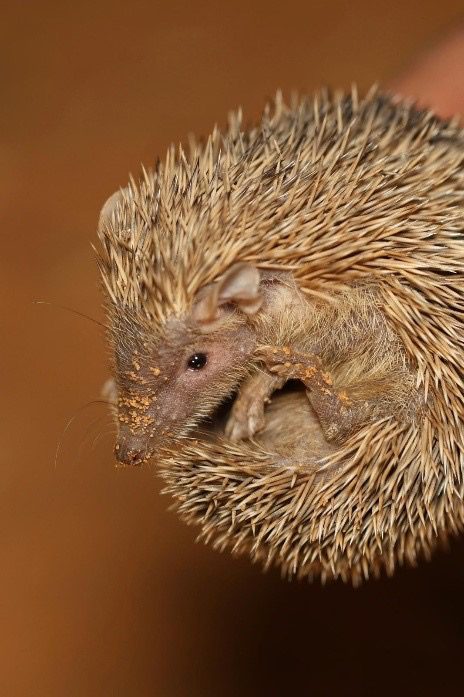
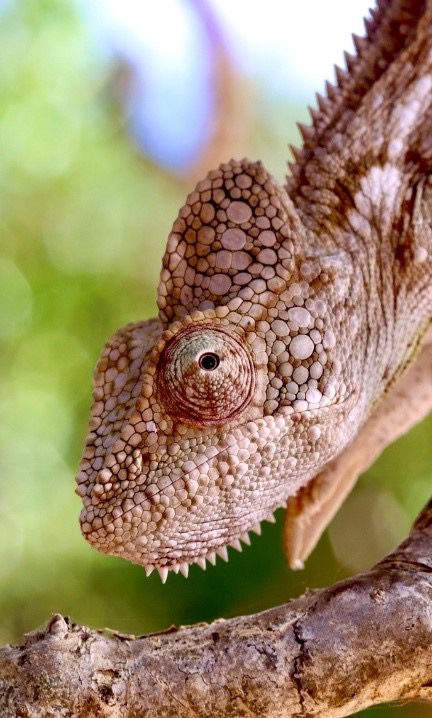
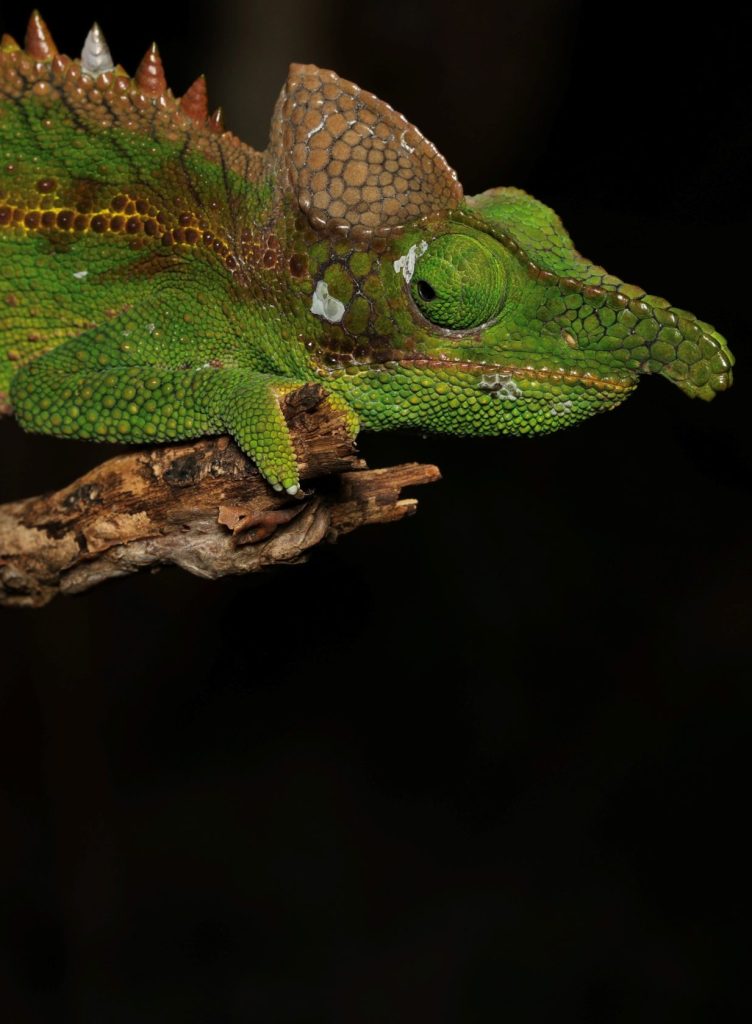
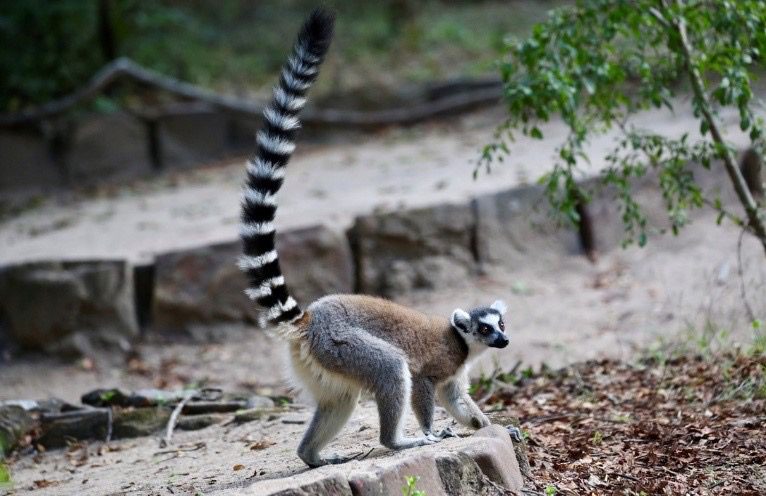
If it isn’t clear by now, Madagascar’s wildlife is a huge draw for tourists. On my visit I was lucky enough to see a Grey Moustached Lemur, which is tiny and adorable! We also saw a Lesser Hedgehog Tenrec, which looks like a hedgehog but isn’t one, Three Eyed Lizard- Tailed Banded Geckos, and vibrant birdlife like the Giant Coua and Madagascan Hoopoe. In addition to this, Antimena and Warty Chameleons, Spider Tortoise, Madagascar Blind Snake’s and Cockroaches are all found in this area.
Arboretum d’Antsokay – 1 Night at Auberge de la Table
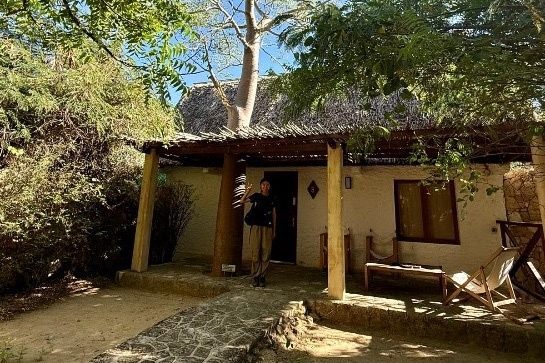
If you love a botanical garden experience, then you are in luck. Just a short drive away from Ifaty Spiny Forest takes you to the Auberge de la Table, nestled in a botanical garden. Each chalet felt like its own little sanctuary, and the restaurant there was a hidden gem. The garden tour was fascinating—we learned how locals use plants for healing, sun protection, boat-building, and even musical instruments. The garden was founded in 1980 by a Swiss man called Herman Petigat and contains over 900 plant species of which 90% are endemic and 80% of medical value. A night walk introduced us to nocturnal animals including mouse lemurs, warty chameleons and dazzling geckos.
Isalo National Park – 2 Nights at Isal Rock Lodge
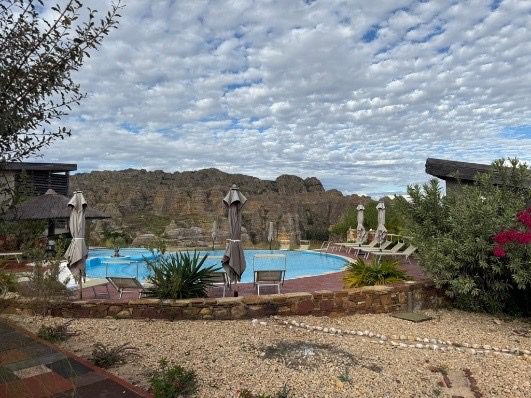
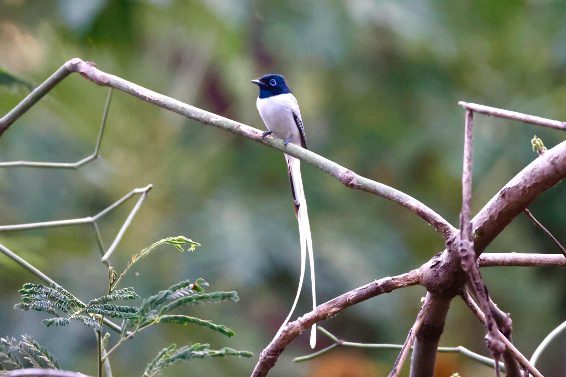
After an early start (4:00am) a long drive and a detour through Zombitse National Park, where we spotted Verreaux’s Sifakas bouncing across the forest floor, the beautiful Madagasy Flycatcher as well as various chameleons, geckos and skinks and the Zombitse Sortive Lemur who preferred to stay partially hidden in the trees, we rolled into one of the most jaw-dropping places I’ve ever stayed: Isalo Rock Lodge.
Perched among sandstone cliffs, this remote lodge felt like a luxurious dream. Watching the sunset at “The Window of Isalo” rock formation was unforgettable as was our visit to the Queen of Isalo, another rock formation which is featured on the 1000 Gassy banknote.
Isalo National Park, like many national parks worldwide, is jaw-dropping. It is a beautiful place to explore and hike in Madagascar. Whilst visiting Isalo National Park, we met a local guide and walked up into the mountains, meeting even more snakes, chameleons and butterflies on the way. The walk is 90 minutes long, and when you get to the end of it, you reach a clearing with picnic tables and outdoor cooking where you can stay for lunch. For you foodies, the Zebu Kebab you get at the top is delicious and well worth the 90-minute hike. After lunch, the tour group continues to walk further up the mountains, but I stayed to watch the Lemurs you can find at the lunch spot.
The Isalo National Park is covered with wildlife. Here are some pictures of some animals we stumbled across.
Top tip: It gets chilly at night – pack layers!
Ranomafana National Park – 2 Nights at Chez Gaspard
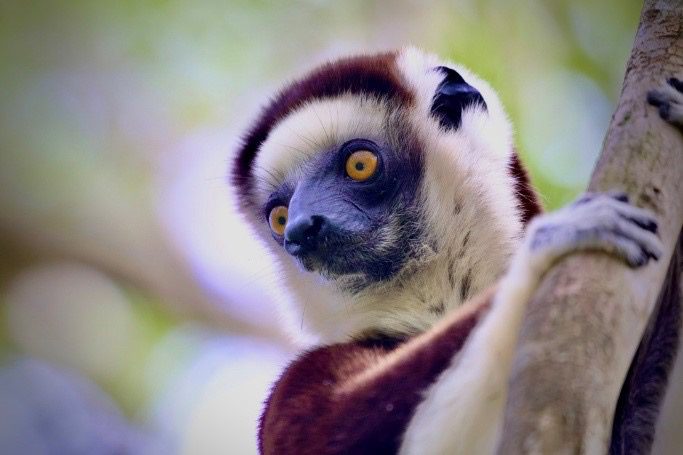
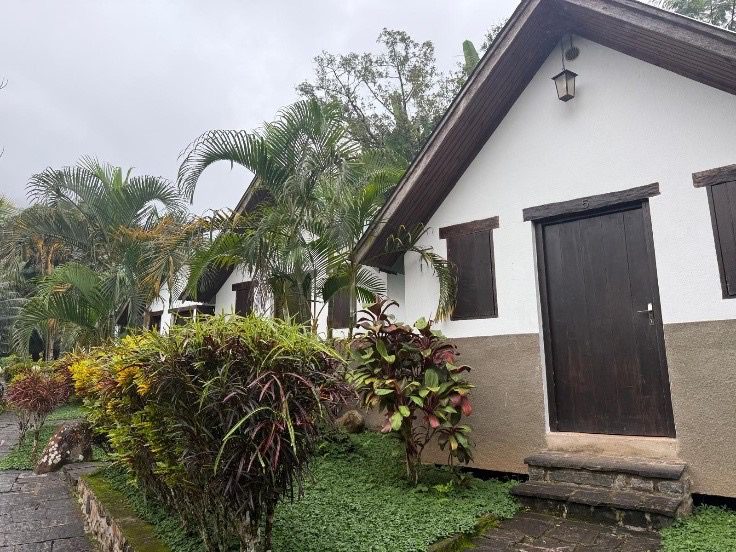
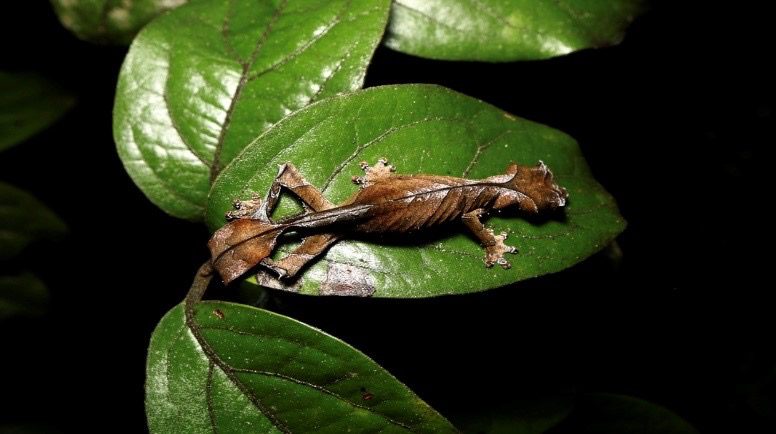
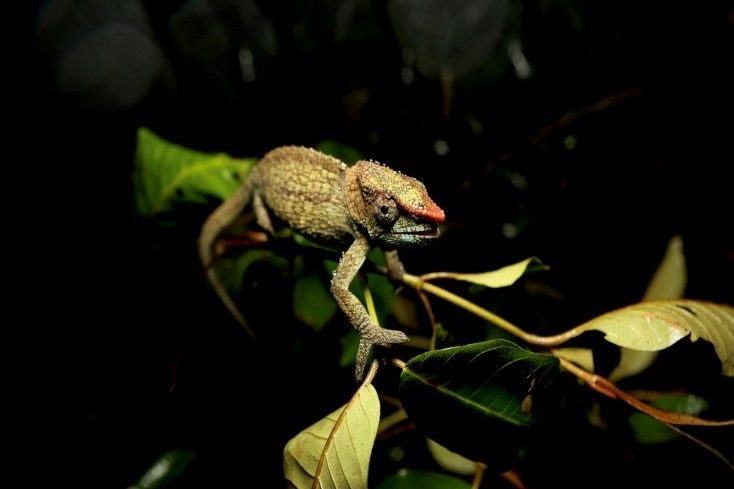
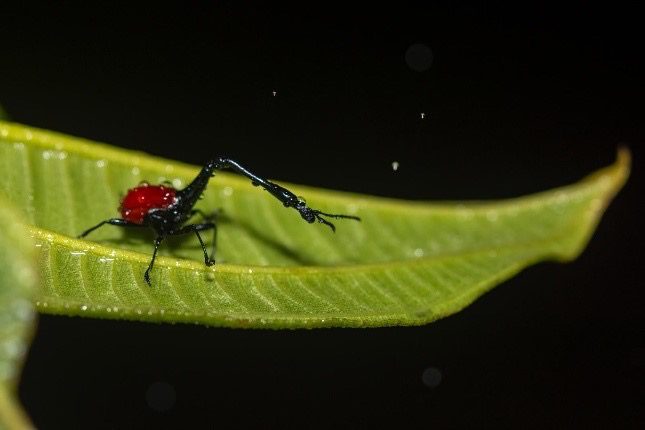
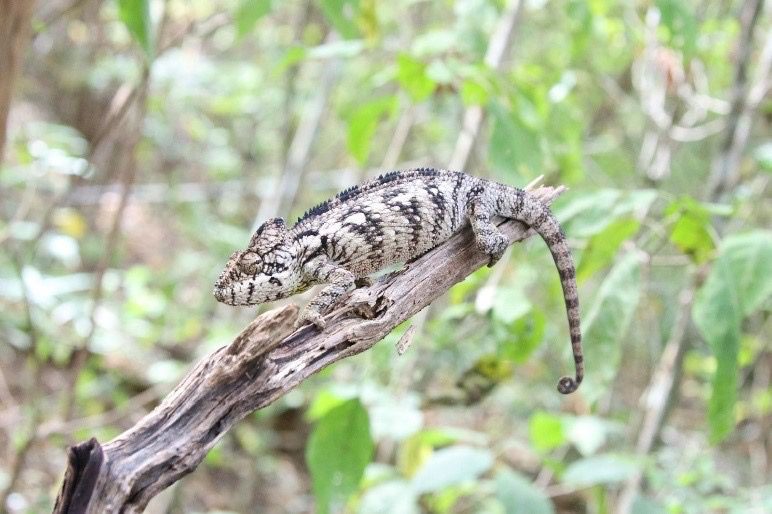
Our final wilderness stop was Ranomafana National Park, a lush rainforest dripping with mist and rain. This was our most rustic hotel in Madagascar (no pool here!), but the wildlife made up for everything. Even walking along the road, we spotted chameleons, geckos, and lemurs. Our night walks were full of surprises, including the elusive Satanic Leaf-Tailed Gecko.
Sadly it rained all day, making the hill climbs slippery and muddy and the misty conditions impacted on the photography…. However I did manage to spot Golden Bamboo Lemurs (who can eat cyanide-laced bamboo!) Milne-Edwards Sifakas (darker cousins of the Isalo sifakas), Mossy Leak Tailed Geckos, Giraffe Weevils which at only 1cm in length was a good find and some Oustalet’s Chameleons which are the longest species in Madagascar.
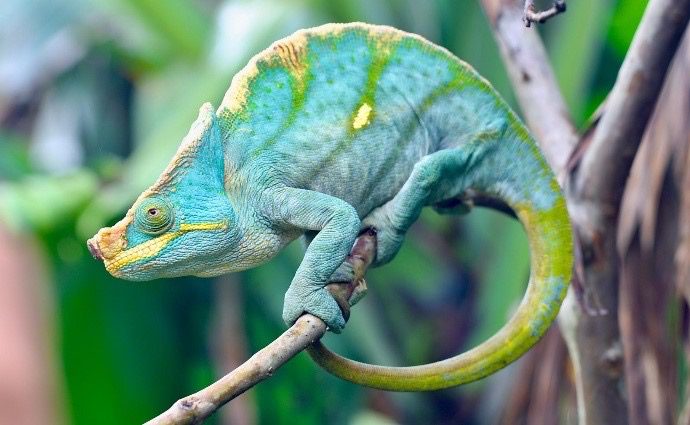
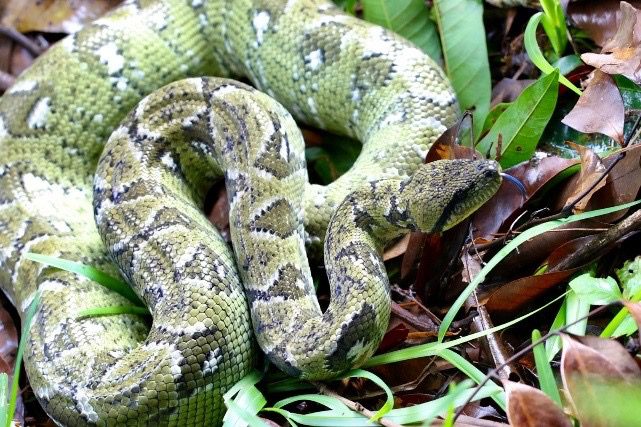
One of my favourite parts of my trip was seeing two show-stopping sightings: Parson’s Chameleon and the Green Tree Boa. The Parson’s Chameleon is the largest chameleon in the world, and I had the privilege of seeing a family of four in one tree. Watching them eat insects was a crazy experience! The Green Tree Boa is a stunning, non-venomous beauty and one I’ll never forget. I have seen many, many snakes over the years; however, this is one of the most beautiful I have ever encountered at 2 meters long!
Returning to Antanarivo for one Last Night
We returned to Antananarivo (Tana) for one final night, rolling back into the capital after days on the road. The shift from remote villages and dusty trails to the city’s buzzing energy was immediate a reminder of just how diverse and layered Madagascar is.
Tana’s artisan markets are full of colour and craftsmanship, stalls piled high with handmade baskets, raffia hats, wood carvings, and vanilla pods wrapped in neat little bundles. Bargaining is expected and part of the fun. But the highlight for many here is gemstone shopping. Madagascar is famous for its sapphires and semi-precious stones, and the city has several reputable shops and gem markets where you can find beautiful, affordable pieces. Just be sure to ask for certificates if you’re buying anything valuable.
Tana might not be the main reason you come to Madagascar, but it’s a city worth spending time in, lively, layered, and full of local character.
Overview & Final Thoughts
After eight unforgettable days on the road, our Madagascar adventure came to an end. I came back exhausted but all the wiser for this amazing trip. The geographical diversity and natural uniqueness of both plants and animal species make Madagascar a wildlife enthusiast’s dream. So if you love wildlife, raw beauty, and off-the-beaten-path travel, this might just be your next big adventure.
From the spiny forests of Ifaty to the misty rainforests of Ranomafana, each stop revealed a completely different side of the island.
The journey wasn’t always easy, bumpy roads, and unpredictable weather were all part of it, but that’s what made it feel real. Madagascar isn’t polished or overdeveloped, and that’s exactly its charm. It’s a destination for travellers who want something raw, rich in culture, and totally off the beaten path, and of course rich with wildlife.
So if you’re thinking of a trip that’s as rewarding as it is unique, this Madagascar road trip itinerary might just be the adventure you’re looking for. We came for the wildlife, but we left with so much more and memories for a lifetime.
Author

Why Readers Trust Travel Girls Corner
Travel Girls Corner is built by women who genuinely love to travel, and who actually do it. Every guide, itinerary, and recommendation is written by female travellers who are constantly exploring the world, from long European rail adventures to far-flung global escapes.
Our founder has been travelling for years, including a five-week Interrail journey across Europe, and many of our contributors are always on the move, discovering new cities, revisiting favourites, and keeping our guides modern and up to date.
What makes us different?
- Travel guides written exclusively by women
- Authentic, firsthand experiences combined with curated research
- Hidden gems alongside iconic highlights
- Modern, comprehensive city guides, not just surface-level lists
- Real recommendations we genuinely love
We go beyond tourist attractions. You will find stylish jazz bars, local neighbourhood cafes, boutique stays, cultural spots, practical transport advice, and detailed planning support, all designed to help women travel confidently and experience destinations fully.
We are not a faceless travel blog brand. We are ordinary women who travel often, care deeply, and share what we discover. Meet the team here.
Editorial Policy
At Travel Girls Corner, everything we share is rooted in real travel experiences. Our content is created by a team of women travelers of different ages and backgrounds, offering well-rounded perspectives on destinations, itineraries, and travel tips. We are always welcoming more women to join our team, helping us amplify diverse voices and share even more amazing travel experiences.
We combine personal experience with thoughtful research to provide accurate, practical, and honest guidance. While we strive to ensure information is as current as possible at the time of publication, travel details like opening hours, transport schedules, or local conditions can change. We encourage readers to double-check important details before planning their trips.
Some links on this site may be affiliate links, which means we may earn a small commission at no extra cost to you. This helps us keep Travel Girls Corner running while continuing to share authentic, experience-led travel content.
Every recommendation, guide, and tip reflects experiences we genuinely love, from hidden gems to must-see highlights. We do not exaggerate or sensationalize; we share what we truly encounter and enjoy, with honesty and integrity at the heart of our editorial approach.